
Earthquake Safety Before, During, and After
Why Earthquake Preparation Matters
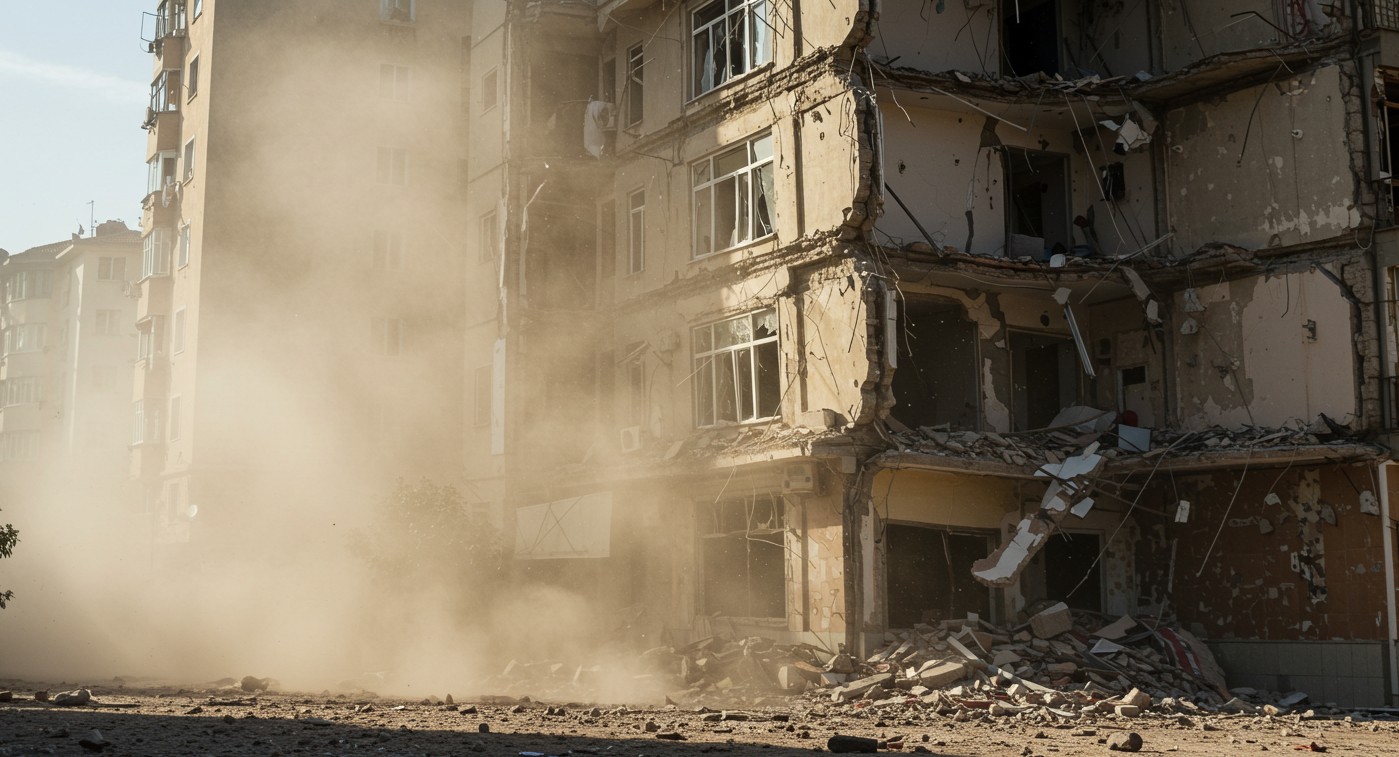
Earthquakes happen with little or no warning. Unlike storms or hurricanes, there is often no time to evacuate before shaking begins. Most earthquake injuries are caused not by collapsing skyscrapers, but by falling furniture, broken glass, poor decisions during panic, and unsafe conditions immediately afterward.
Preparation before an earthquake matters far more than reaction during one. A secured home, practiced response plan, and calm decision-making process can dramatically reduce injuries and confusion.
Objective
Prepare your home and household for earthquakes, respond safely during shaking, and handle the dangerous hours after the quake with practical, realistic actions.
Understand the Real Risks
Earthquake hazards extend beyond the shaking itself.
- Falling furniture and appliances
- Broken glass
- Gas leaks
- Electrical fires
- Blocked exits
- Aftershocks
- Water interruptions
- Communication failures
In many earthquakes, people survive the initial shaking but are injured afterward while trying to evacuate, re-enter buildings, or use unsafe equipment.
Before an Earthquake: Secure the Home
The safest earthquake preparation happens long before the ground moves.
Anchor Heavy Furniture
- Bolt bookcases to studs.
- Secure televisions and monitors.
- Anchor tall cabinets and dressers.
- Strap water heaters properly.
- Prevent refrigerators from tipping.
Unsecured furniture is one of the most common indoor earthquake dangers.
Store Heavy Items Low
Keep heavy objects on lower shelves whenever possible. Glass containers, tools, and large appliances can become dangerous projectiles during severe shaking.
Latch Cabinets
Cabinet latches help prevent dishes, glassware, and supplies from flying out during shaking.
Clear Exit Paths
Ensure hallways, stairways, and doorways remain clear enough for emergency movement after a quake.
Know Your Utility Shutoffs
Every household should know:
- Where the gas shutoff is located
- Where the electrical panel is located
- How to shut off water if pipes rupture
Keep the correct tools nearby, especially an adjustable wrench for gas shutoff valves if appropriate for your setup.
Never practice shutting off utilities unless you understand the process fully.
Create Safe Spots Inside the Home
Every room should have a known safe location.
Safer locations include:
- Under sturdy tables or desks
- Next to strong interior walls
- Away from windows and mirrors
- Away from tall furniture
Practice quickly moving to these locations so reactions become automatic.
During an Earthquake: Drop, Cover, Hold On
The standard earthquake response remains the safest option for most situations.
- Drop to your hands and knees.
- Cover your head and neck under sturdy furniture if possible.
- Hold On until the shaking stops.
Stay where you are unless the location becomes immediately dangerous.
Do Not Run Outside During Shaking
Many injuries occur when people attempt to run during an earthquake.
Exterior walls, glass, signs, bricks, and power lines can become deadly hazards. In most situations, staying inside and taking cover is safer than trying to sprint outdoors.
If You Are in Bed
Stay in bed if safe to do so.
- Cover your head with a pillow.
- Move only if heavy objects are likely to fall nearby.
- Watch for broken glass around windows.
If You Are Driving
Pull over safely away from:
- Bridges
- Overpasses
- Power lines
- Tunnels
- Tall buildings
Remain inside the vehicle until the shaking stops.
Immediately After the Quake
Once shaking stops, the situation may still be dangerous.
Check for Injuries
- Control severe bleeding first.
- Check head and neck injuries carefully.
- Use first aid supplies if available.
Check for Gas Leaks
If you smell gas or hear hissing:
- Evacuate immediately.
- Do not use switches or electronics.
- Do not light flames.
- Shut off gas only if trained and safe to do so.
Expect Aftershocks
Aftershocks can happen minutes, hours, or days later and may cause additional structural damage.
Stay alert around weakened buildings and unstable debris.
Communication and Family Plans
Cell networks may become overloaded after major earthquakes.
Families should pre-plan:
- Meeting locations
- Out-of-area contacts
- Text-message communication plans
- Emergency radio channels if available
Text messages often succeed when voice calls fail.
Water and Food Concerns
Earthquakes can interrupt utilities quickly.
- Store emergency water supplies.
- Keep shelf-stable food available.
- Expect temporary boil-water advisories.
- Use refrigerators and freezers strategically during outages.
Consider keeping a dedicated earthquake supply kit accessible near exits.
Apartment and Urban Considerations
Apartment residents face additional challenges:
- Blocked stairwells
- Elevator failures
- Shared utilities
- High-density evacuation problems
Never use elevators after a significant earthquake unless authorities confirm safety.
Know at least two stairwell routes if possible.
Common Earthquake Mistakes
- Running outdoors during shaking.
- Standing in doorways unnecessarily.
- Ignoring unsecured furniture.
- Using candles immediately after a quake.
- Re-entering damaged buildings too soon.
- Failing to prepare water and emergency supplies.
Real Example
One apartment family practiced moving to safe spots in each room until every household member could reach cover within seconds. Bookcases were anchored, cabinet latches installed, and a gas shutoff wrench staged outside near the meter. During a later regional quake, nothing inside the apartment tipped over, and the family avoided injuries despite significant shaking.
Basic Earthquake Supply Checklist
- Flashlights and batteries
- First aid kit
- Emergency water
- Shelf-stable food
- Battery-powered radio
- Work gloves
- Dust masks
- Sturdy shoes
- Phone charging power bank
- Utility shutoff tools
Practice Before You Need It
Preparedness works best when practiced before stress and panic arrive.
- Identify safe spots in every room.
- Anchor dangerous furniture.
- Review family communication plans.
- Build emergency kits.
- Practice Drop, Cover, Hold On regularly.
Final Thoughts
Earthquake survival is mostly about preparation and calm reactions. A secured home, practiced response plan, and disciplined decisions after the shaking stops can dramatically improve safety for families and communities.
The best time to prepare for an earthquake is before the ground ever moves.
← Previous | All Articles | Next →