
Surviving a Blackout: Home Checklist
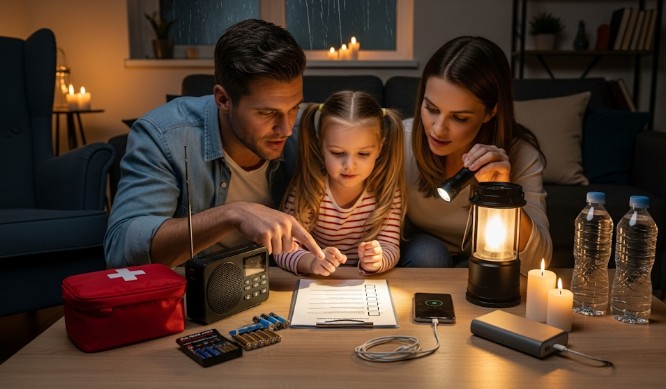
Why Blackouts Become Dangerous Quickly
Most people think of blackouts as temporary inconveniences. In reality, extended power outages can rapidly create problems involving water, food safety, communication, medical needs, security, heating, cooling, and transportation.
Modern homes rely heavily on electricity for refrigeration, lighting, internet access, water systems, elevators, HVAC systems, cooking, and phone charging. Once power disappears, small inconveniences can quickly become safety issues if you are unprepared.
A blackout plan helps you stay calm, organized, and functional while reducing unnecessary risks.
Objective
Stabilize safety, lighting, water, communication, food, and security during a multi-day power outage without creating additional hazards.
First 15 Minutes
-
Check for immediate hazards.
Look for gas smells, sparks, smoke, broken glass, flooding, or people trapped in elevators. If you smell gas, evacuate immediately and contact the utility company from outside. -
Unplug sensitive electronics.
Power surges sometimes occur when electricity returns. Leave one light switched on as a power-return indicator. -
Gather critical gear.
Stage flashlights, headlamps, radios, batteries, power banks, medications, and shoes. -
Contact family members.
Send short text messages instead of calling when networks are overloaded.
The First Hour
-
Secure water immediately.
Fill bathtubs, sinks, pots, and containers while water pressure still exists. Municipal systems can lose pressure during extended outages. -
Protect refrigerated food.
Keep refrigerators and freezers closed as much as possible. A closed refrigerator can often maintain safe temperatures for several hours. -
Establish safe lighting.
Use LED lanterns or headlamps instead of candles whenever possible. Open flames increase fire risk dramatically during blackouts. -
Secure the home.
Lock doors and windows. Motion lights may no longer function, and dark neighborhoods can increase theft opportunities. -
Check local information.
Use a battery-powered or hand-crank radio for emergency updates and boil-water advisories.
Water Planning During a Blackout
Water problems often become one of the biggest issues during prolonged outages. Municipal pumping systems may fail, especially during storms or infrastructure damage.
A good emergency target is at least:
- 1 gallon of water per person per day minimum
- Additional water for cooking, hygiene, and pets
Learn more in: Home Water Storage and Rotation.
Food Management During a Power Outage
Use refrigerated foods first before opening freezer items. Avoid opening refrigerators repeatedly just to “check.”
Shelf-stable foods are ideal during outages:
- Peanut butter
- Canned meats
- Protein bars
- Trail mix
- Instant oatmeal
- Electrolyte drinks
If using camp stoves or propane cooking equipment, maintain ventilation and carbon monoxide awareness at all times.
Safe Lighting Choices
LED lanterns and rechargeable lights are usually the safest and most practical blackout lighting options.
- Headlamps keep your hands free.
- Lanterns provide room lighting.
- Battery-powered motion lights can improve security.
- Glow sticks are useful for children and stairways.
Candles should only be used cautiously and never near curtains, paper, bedding, or sleeping areas.
Communication Planning
Cell towers can become overloaded or lose backup power during major events. Communication discipline matters.
- Text instead of calling whenever possible.
- Reduce screen brightness to conserve battery.
- Use battery banks strategically.
- Keep a written contact list in case phones fail.
Consider adding:
- NOAA weather radio
- FRS/GMRS radios
- Portable solar charging
Apartment Blackout Considerations
Apartment residents face additional challenges during blackouts:
- Elevators may stop functioning.
- Water pressure may disappear faster.
- Hallways and stairwells may become completely dark.
- Apartment access systems may fail.
- Upper floors become difficult without elevators.
Keep critical supplies portable and easy to carry in case you must relocate quickly.
Heating and Cooling Risks
Temperature control becomes critical during prolonged outages.
- In winter, isolate rooms and conserve body heat.
- In summer, focus on hydration, ventilation, and shade.
- Never use grills or generators indoors.
- Carbon monoxide poisoning kills people during outages every year.
Read: Emergency Heat Without Power.
Common Blackout Mistakes
- Running generators indoors or near windows.
- Opening refrigerators repeatedly.
- Using candles carelessly.
- Waiting too long to fill water containers.
- Using all phone battery immediately.
- Ignoring neighborhood security changes.
Recommended Emergency Supplies
- LED lanterns and headlamps
- Battery banks
- Water containers
- Portable radio
- Shelf-stable food
- First aid kit
- Backup batteries
- Blankets and warm clothing
10-Minute Blackout Drill
Simulate a power outage for 10 minutes. Can you:
- Light the home safely?
- Locate emergency gear quickly?
- Fill water containers?
- Contact family?
- Access backup power?
Practice reveals weaknesses before real emergencies happen.
Final Thoughts
Blackouts are among the most common emergencies people experience, but many households remain poorly prepared for outages lasting longer than a few hours.
You do not need an underground bunker or expensive equipment to improve your readiness. Small improvements in lighting, water storage, communication planning, and food preparation can dramatically increase comfort and safety during extended outages.
Preparedness is not about panic. It is about reducing confusion and maintaining stability when normal systems fail.
Free Printable Blackout Checklist
Download the WWSWA printable blackout preparedness checklist and keep a hard copy in your emergency binder, vehicle, or kitchen drawer.
Includes:
- Immediate outage response steps
- Water and food preparation reminders
- Lighting and communication checklist
- Generator and CO safety reminders
- Family readiness checks
← Previous | All Articles | Next →