
Find the right survival guide before you need it.
This library organizes WWSWA’s practical survival articles into clear categories: preparedness gear, wilderness survival, urban emergencies, disaster planning, mindset, first aid, power, water, shelter, and communication.
Use the search box or category filters below to find a guide fast. The goal is not to overwhelm you with survival noise — it is to help you build a calm, useful plan one step at a time.
Search by topic or filter by category.
70 survival guides and preparedness articles
Have a topic in mind? Suggest a new survival guide.
All WWSWA survival guides.
Each guide is designed to be practical, readable, and useful before an emergency — not after you are already in the soup.
 Preparedness & Gear
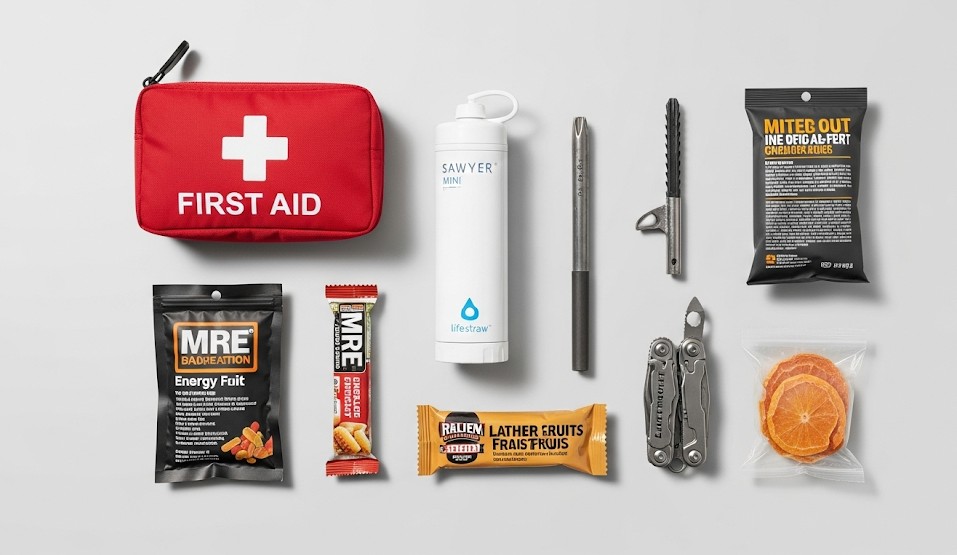
Top 10 Items for Your First Bug-Out Bag
Assemble a 72-hour kit you can carry, maintain, and use under stress.
 General
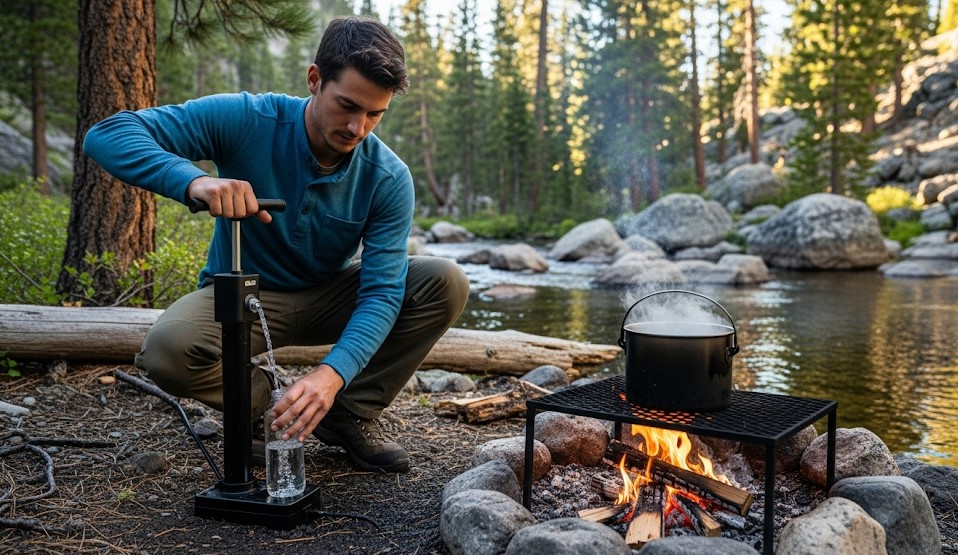
How to Purify Water in the Wild
Choose boiling, filtering, chemical treatment, or UV purification with clear steps.
 Wilderness Survival
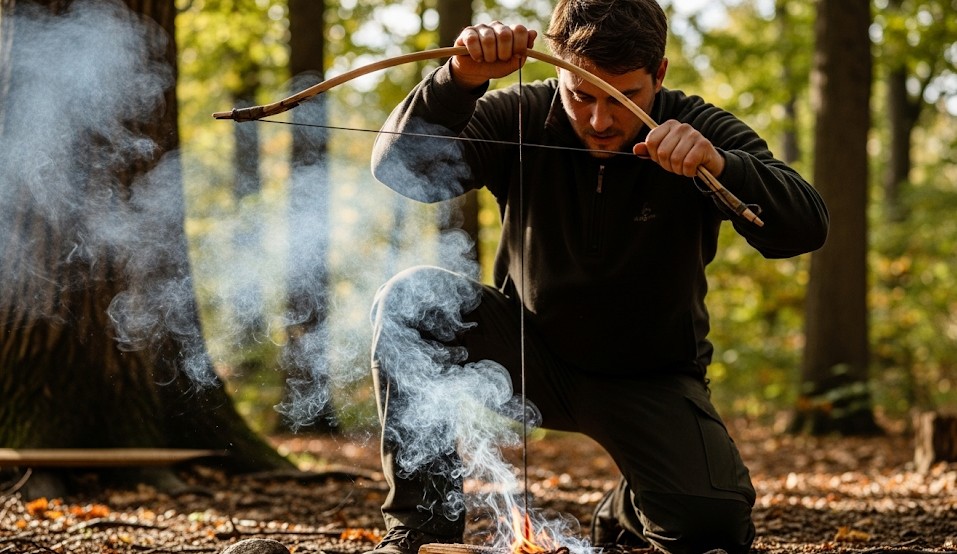
Fire-Making: 5 Methods Without Matches
Backup ignition methods for wet, windy, and low-resource conditions.
 Wilderness Survival
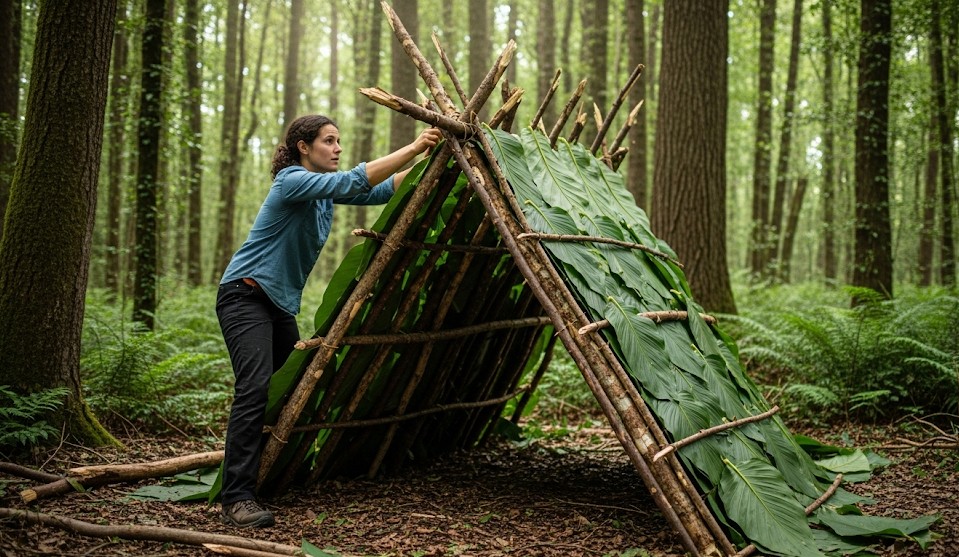
Building a Shelter from Natural Materials
Use site selection, insulation, wind protection, and natural materials wisely.
 Urban Survival
Surviving a Blackout: Home Checklist
Prepare lighting, water, communication, food safety, medication, and backup power.
 Disaster-Specific
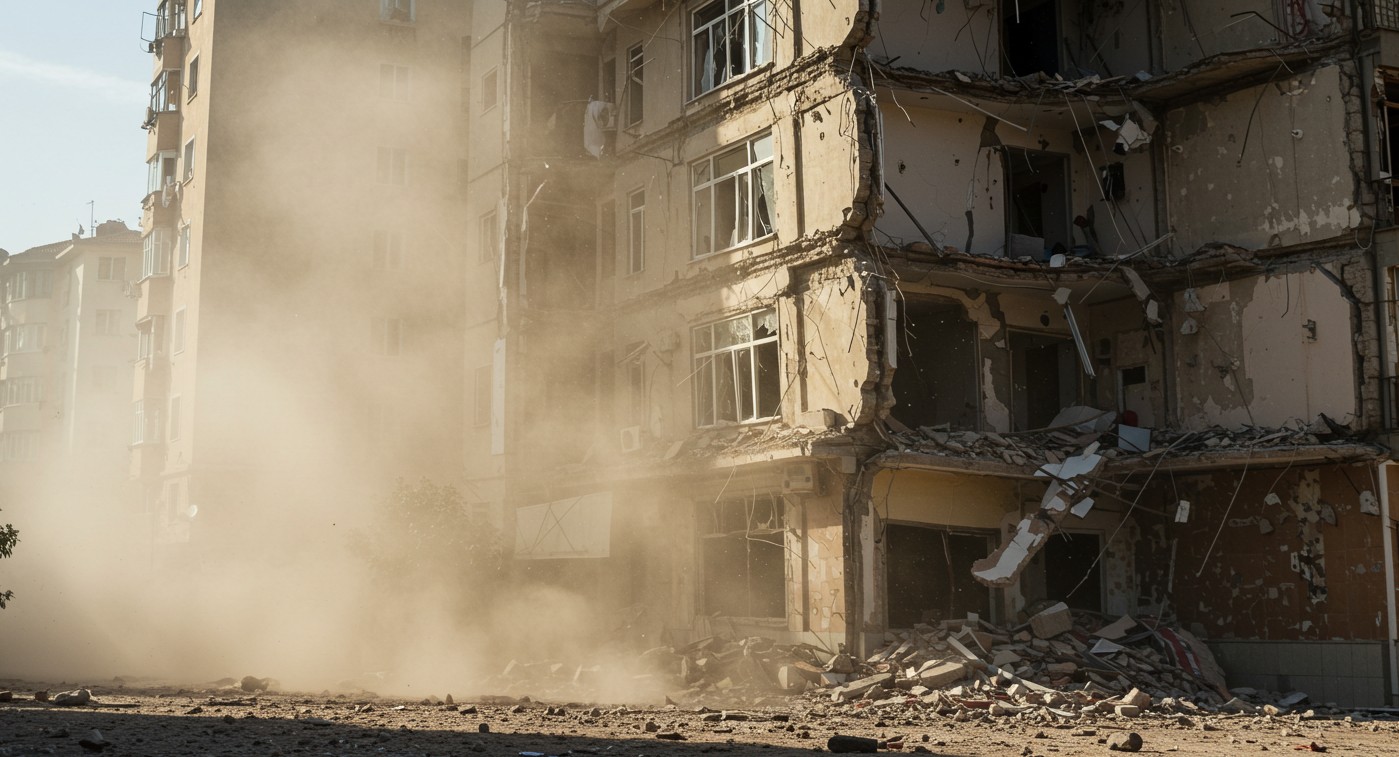
Earthquake Safety Before, During, and After
Prepare your home, respond during shaking, and recover safely afterward.
 General
Best Survival Knives Under $100
What to look for in an affordable knife before you trust it in the field.
 Urban Survival
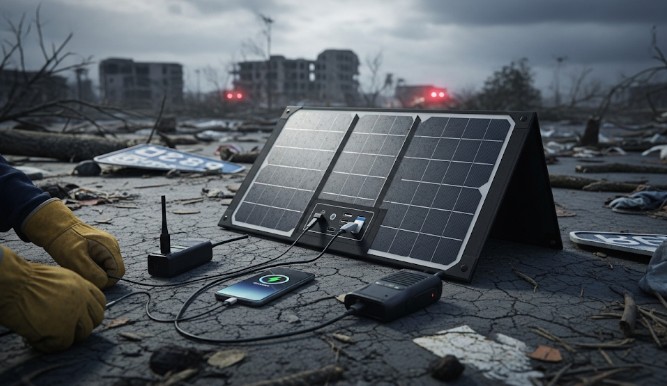
Solar Chargers for Emergency Power
Plan panel, battery bank, and charging setups that work when power is limited.
 General
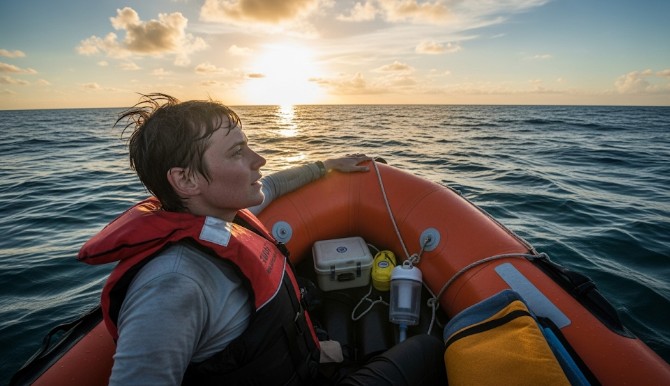
Lost at Sea: First 24 Hours
A first-day action plan for signaling, flotation, hydration, and staying alive.
 Wilderness Survival
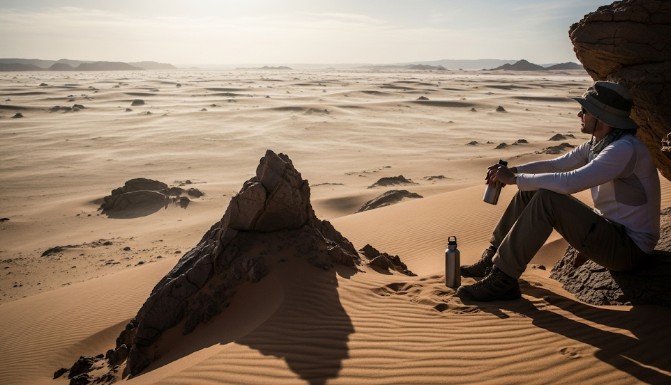
Surviving in Extreme Heat
Use hydration, shade, pacing, and cooling methods to reduce heat illness risk.
 Wilderness Survival
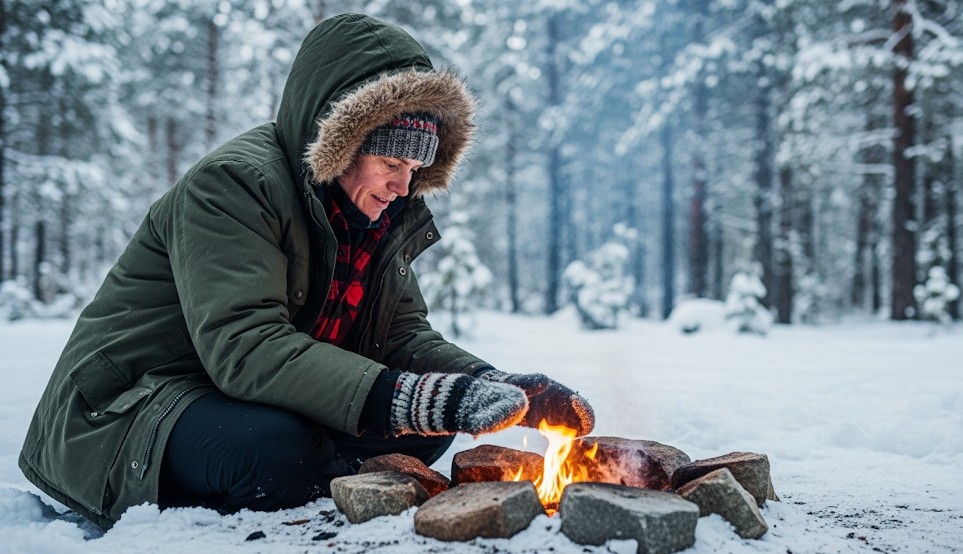
Cold Weather Survival Basics
Understand layering, insulation, dry clothing, shelter, and frostbite prevention.
 Wilderness Survival
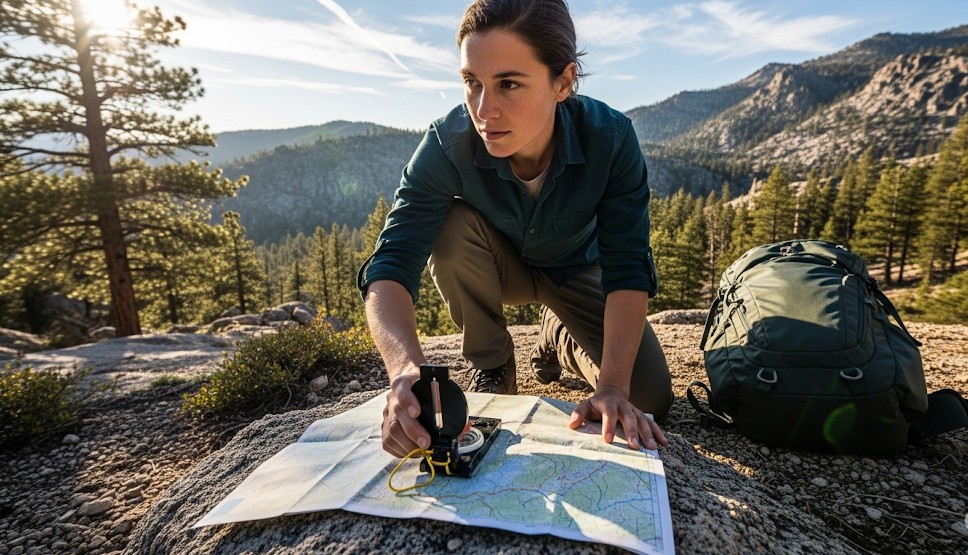
Navigation 101: Map, Compass, Confidence
Build confidence with maps, compass bearings, terrain features, and route planning.
 General
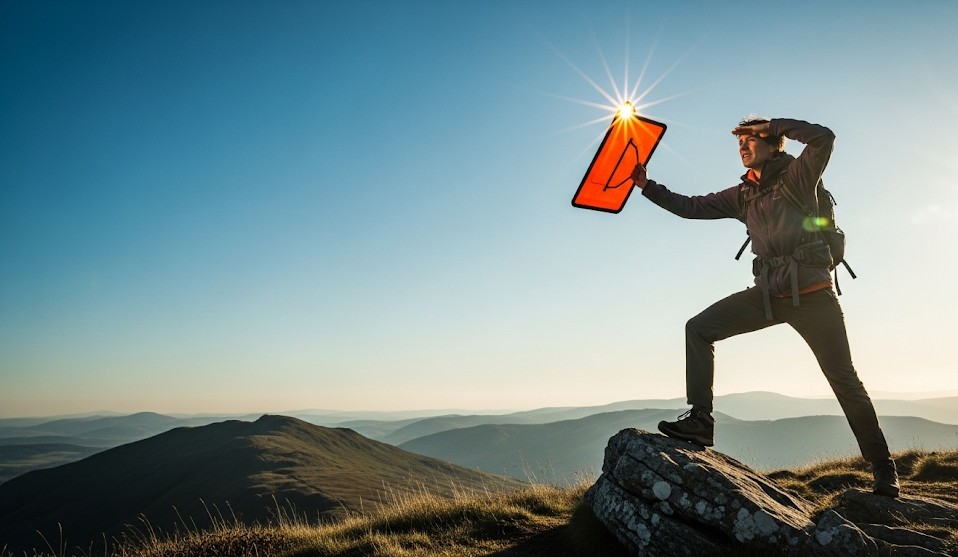
Signaling for Rescue: Be Seen, Be Heard
Use mirrors, panels, whistle signals, contrast, motion, and sound to be found.
 Wilderness Survival
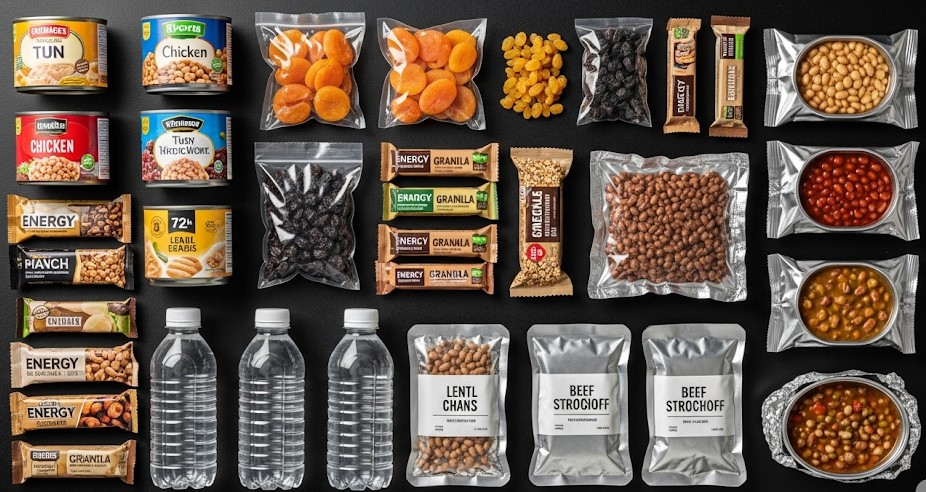
Food Without a Fridge: 72-Hour Menu
Plan simple shelf-stable meals and safe cooking without refrigeration.
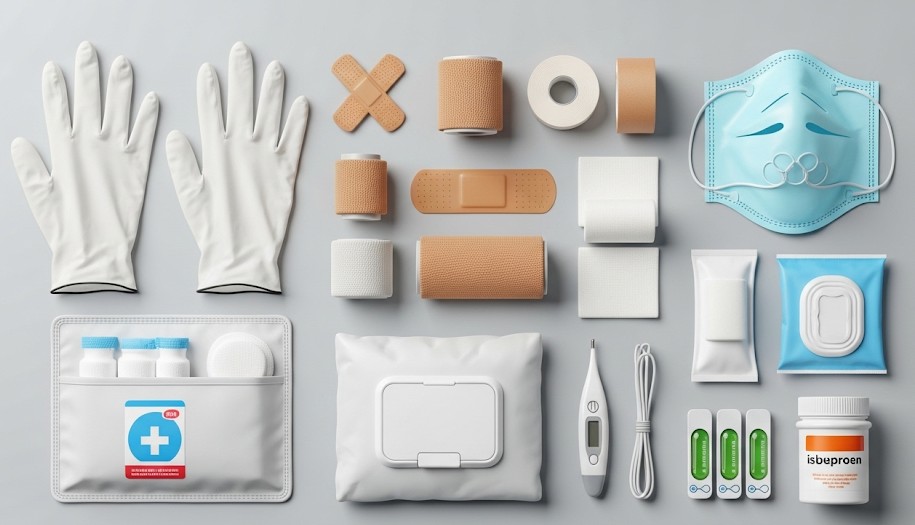 General
Home Medical Kit: Beyond Band-Aids
Build a practical kit for bleeding control, shock, and common emergencies.
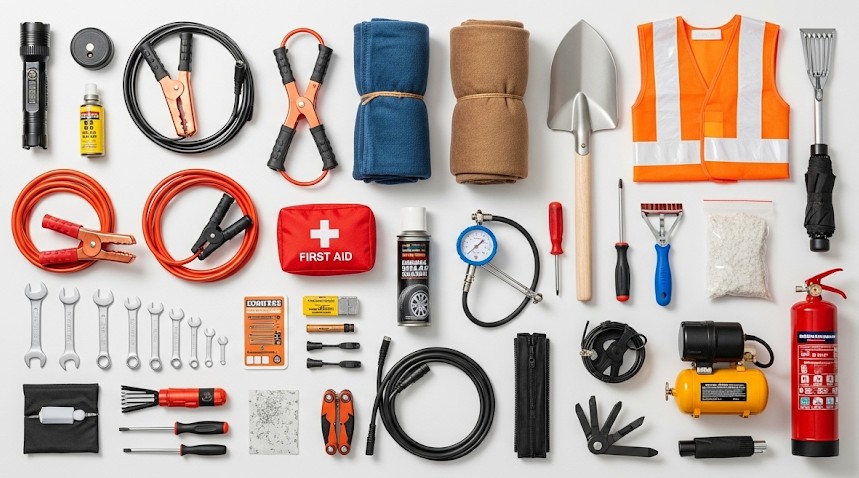 General
Vehicle Emergency Kit for Any Season
Build a practical vehicle kit for roadside delays, weather, and unexpected emergencies.
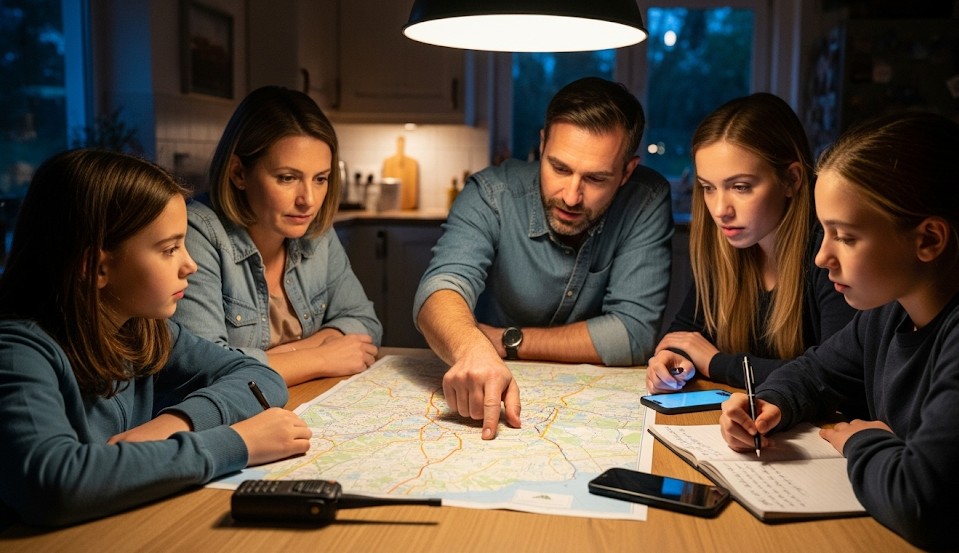 General
Comms Plan: Family & Team Preparedness
Create contacts, meeting points, backup power, and communication backups.
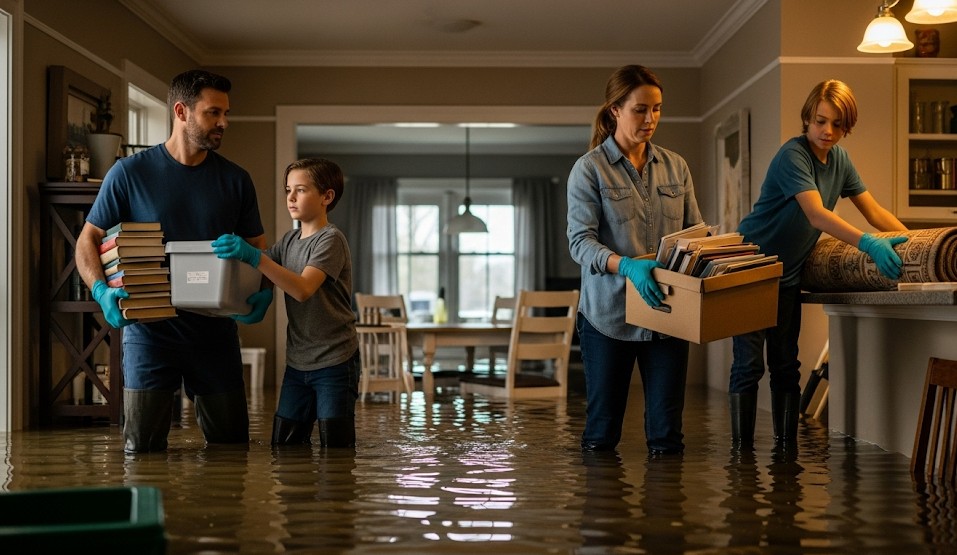 Disaster-Specific
Flood Readiness and Recovery
Prepare for flooding with shut-offs, evacuation planning, re-entry safety, and cleanup awareness.
 Disaster-Specific
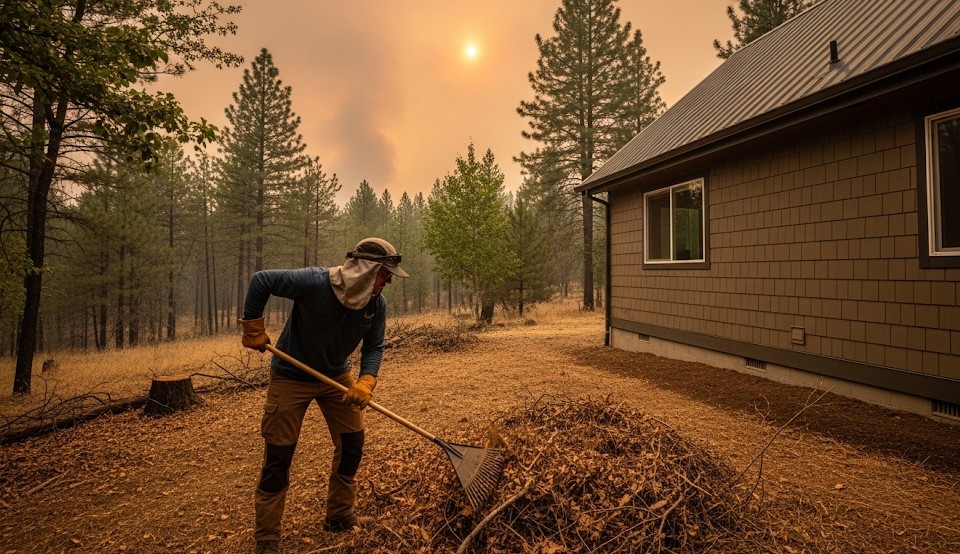
Wildfire Prep: Hardening Home & Habits
Reduce risk with defensible space, ember awareness, evacuation timing, and go-bag planning.
 Mindset & Skills
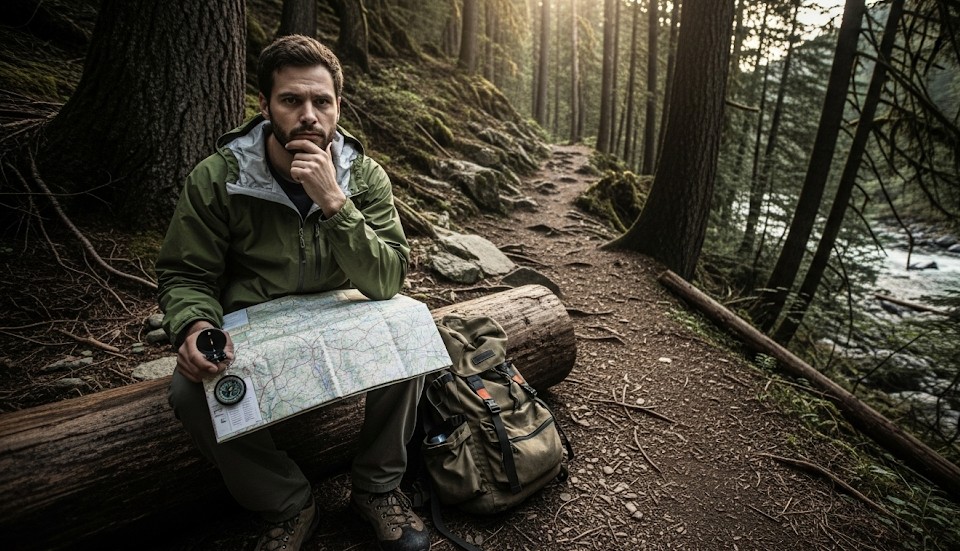
Mindset & Decision-Making Under Stress
Make cleaner decisions during emergencies and avoid common cognitive traps.
 Wilderness Survival
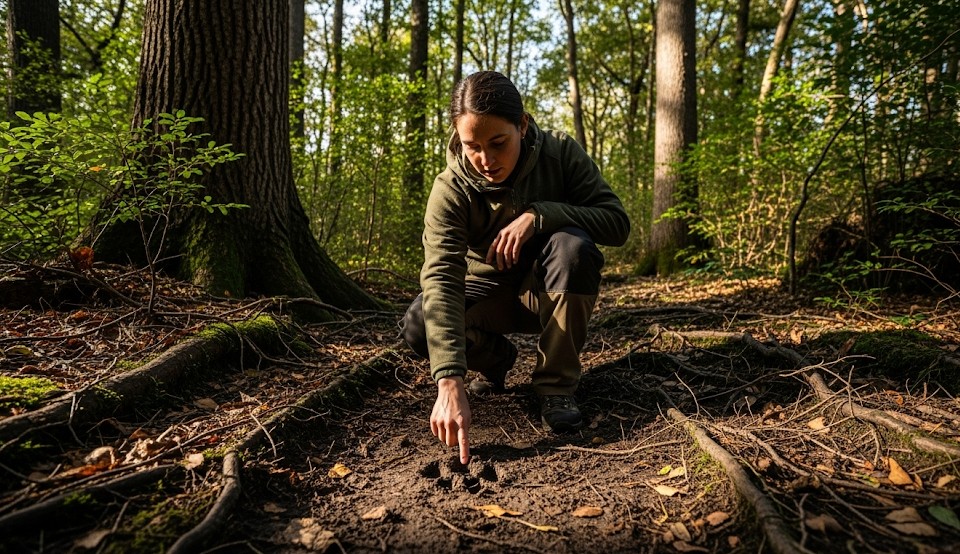
Tracking Animals for Food & Safety
Read tracks, scat, trails, and movement patterns to understand wildlife activity.
 Wilderness Survival
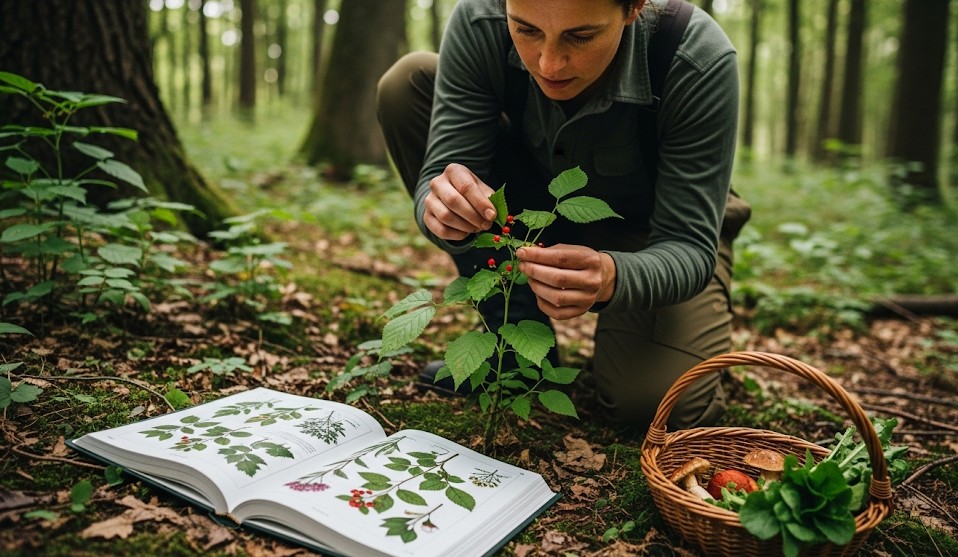
Foraging Wild Edibles Without Getting Sick
Use caution, identification discipline, and safer decision-making before eating wild plants.
 Wilderness Survival
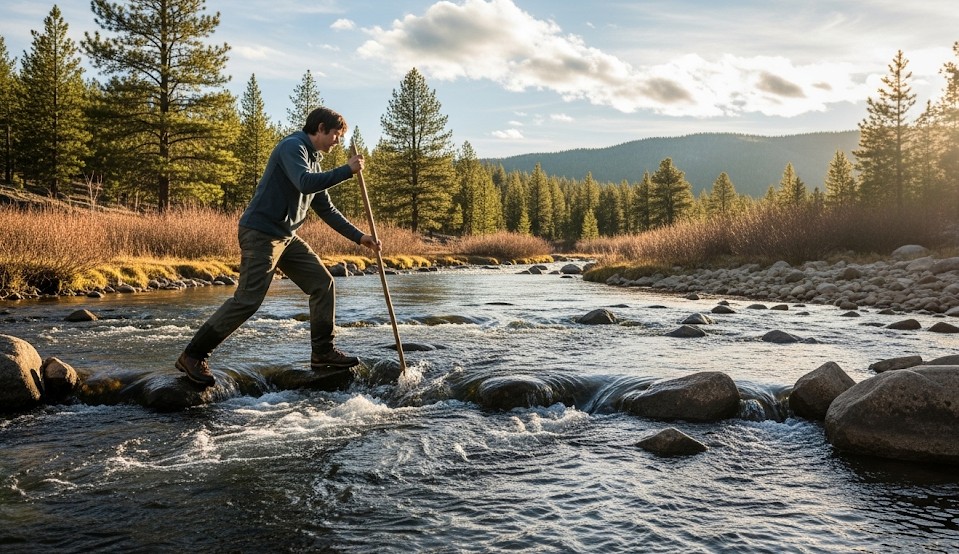
How to Cross a River Safely
Scout crossings, evaluate hazards, and avoid dangerous moving-water decisions.
 Wilderness Survival
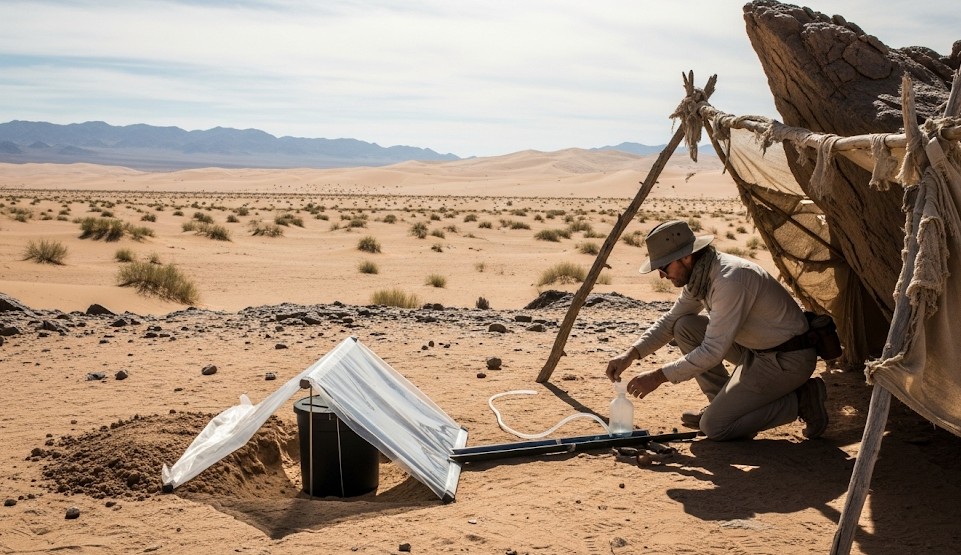
Desert Survival: Water & Shade Priorities
Reduce heat load, protect water, manage movement, and prioritize shade.
 Wilderness Survival
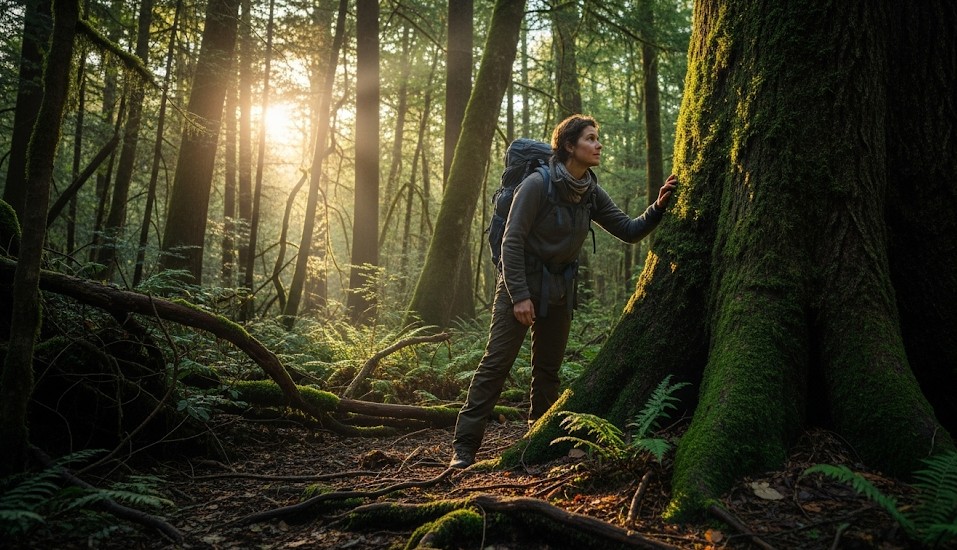
Navigating Without Map or Compass
Use sun, shadows, landmarks, handrails, and dead reckoning to stay oriented.
 Wilderness Survival
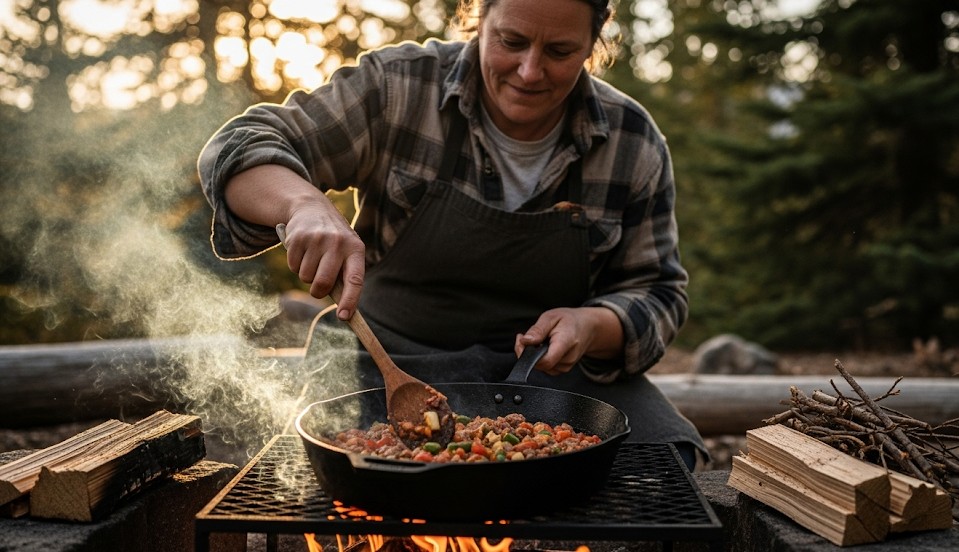
Cooking Over an Open Fire: Campfire Techniques
Cook safely over coals with heat zones, cookware planning, and food safety basics.
 General
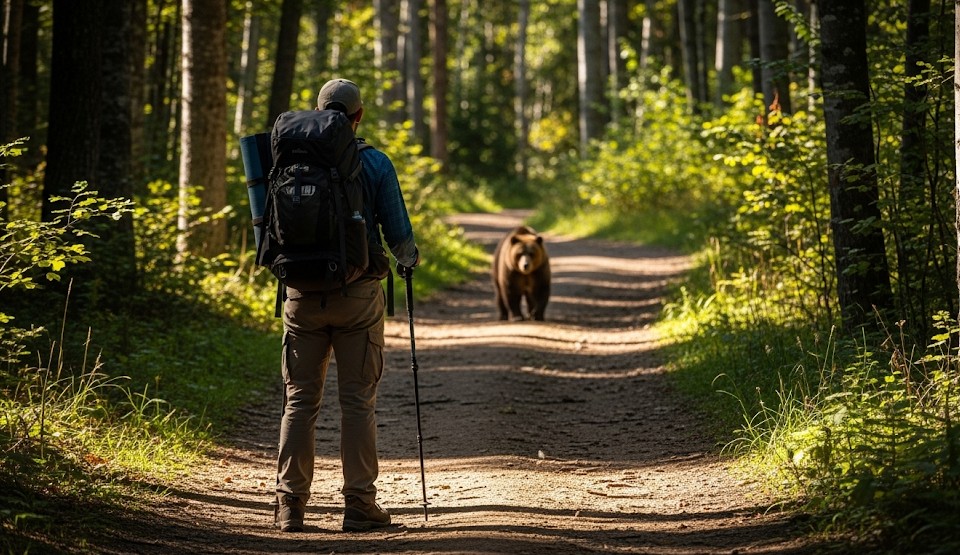
Avoiding Dangerous Wildlife Encounters
Reduce wildlife risk with distance, food storage, awareness, avoidance, and calm response habits.
 Wilderness Survival
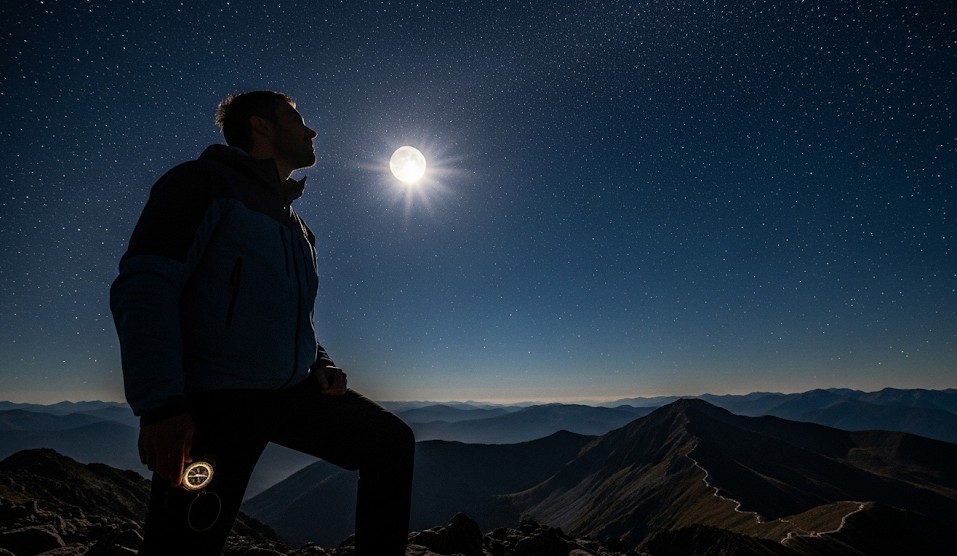
Night Navigation by Stars & Moon
Use Polaris, moon phases, constellations, landmarks, and careful pacing for night movement.
 General
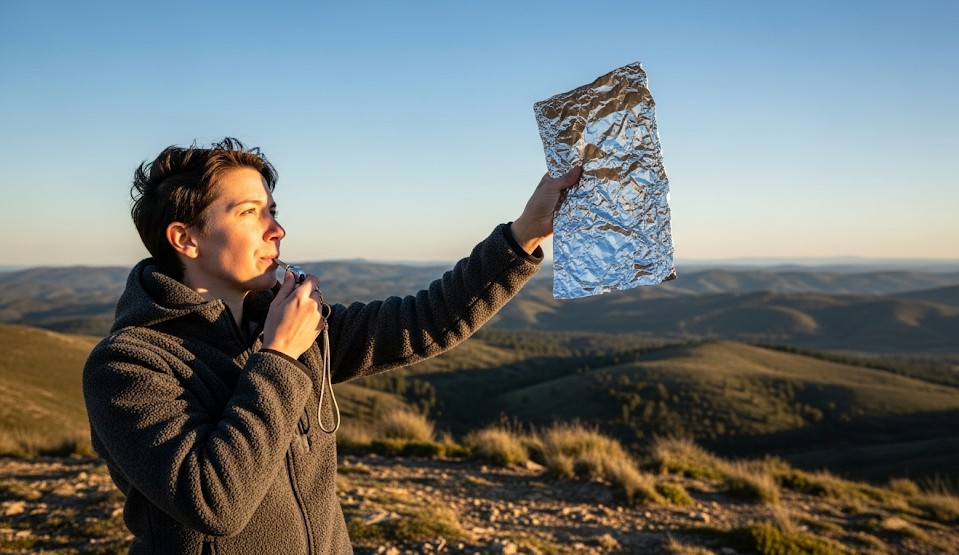
Signaling from Remote Locations Without Electronics
Use contrast, smoke, ground symbols, motion, and sound when electronics are unavailable.
 Wilderness Survival
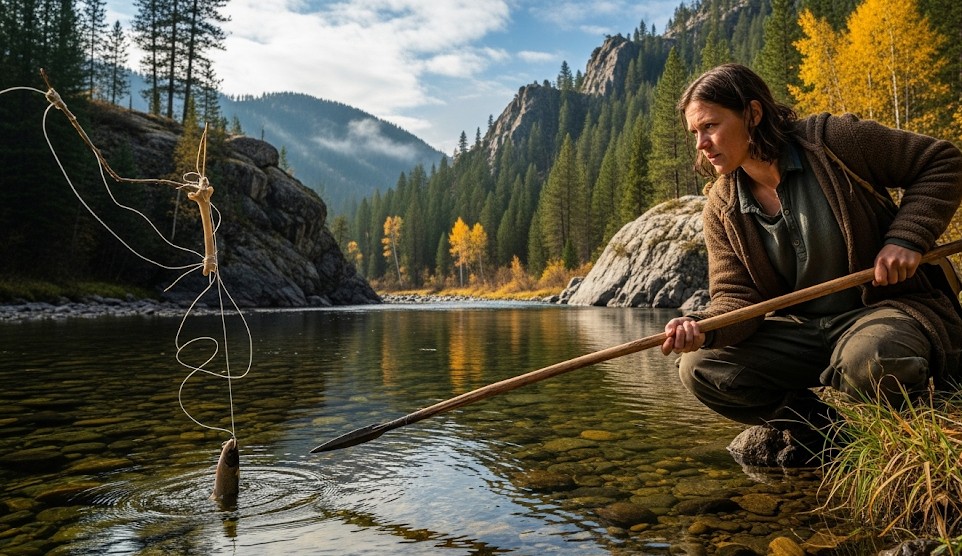
Improvised Fishing: Lines, Hooks, and Traps
Understand emergency fishing principles, improvised tools, and food-safety basics.
 Urban Survival
Staying Safe in Civil Unrest
Avoid crowds, plan movement, reduce visibility, communicate clearly, and leave early when possible.
 Urban Survival
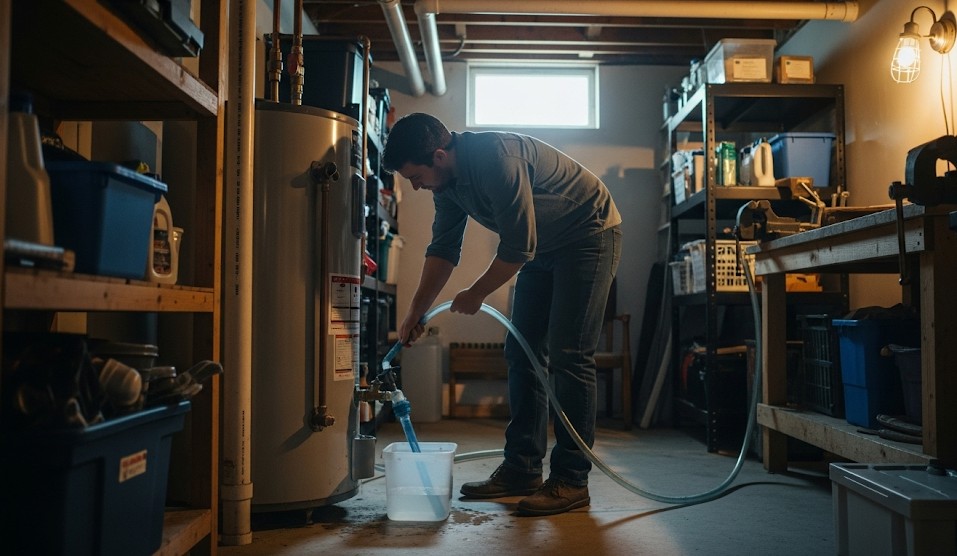
Finding Water in a City During Emergencies
Identify potential urban water sources, treatment needs, storage options, and safety risks.
 Urban Survival
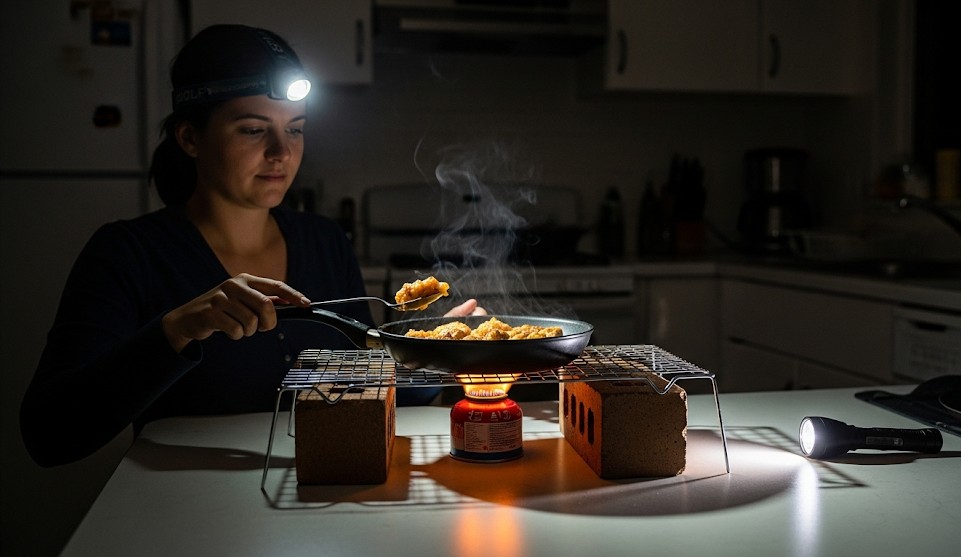
Blackout Cooking with Common Household Items
Cook safely without power using smart fuel choices, ventilation, and no-cook meals.
 Urban Survival
How to Barricade a Door in a Pinch
Delay entry safely, improve escape time, and understand temporary door-blocking options.
 Urban Survival
Power Outage Security Measures
Improve home safety during outages with lighting, routines, visibility control, and communication.
 Urban Survival
Navigating a City Without GPS
Use landmarks, major roads, transit corridors, paper maps, and safe route planning.
 Urban Survival
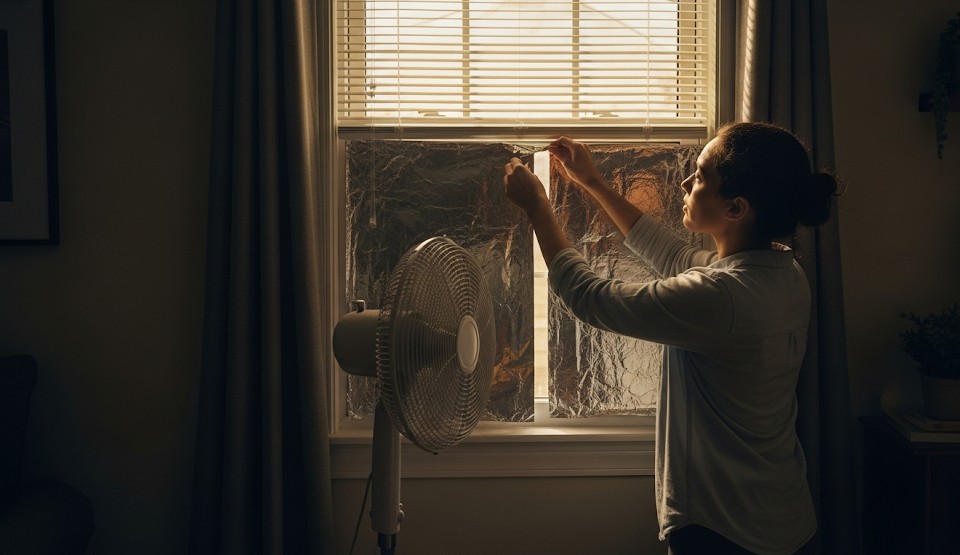
Keeping Cool Without Air Conditioning
Reduce indoor heat stress with shade, airflow, hydration, cooling cloths, and smart timing.
 Urban Survival
Safe Indoor Lighting Solutions During Blackouts
Light your home safely with lantern placement, battery discipline, and fire-safe choices.
 Urban Survival
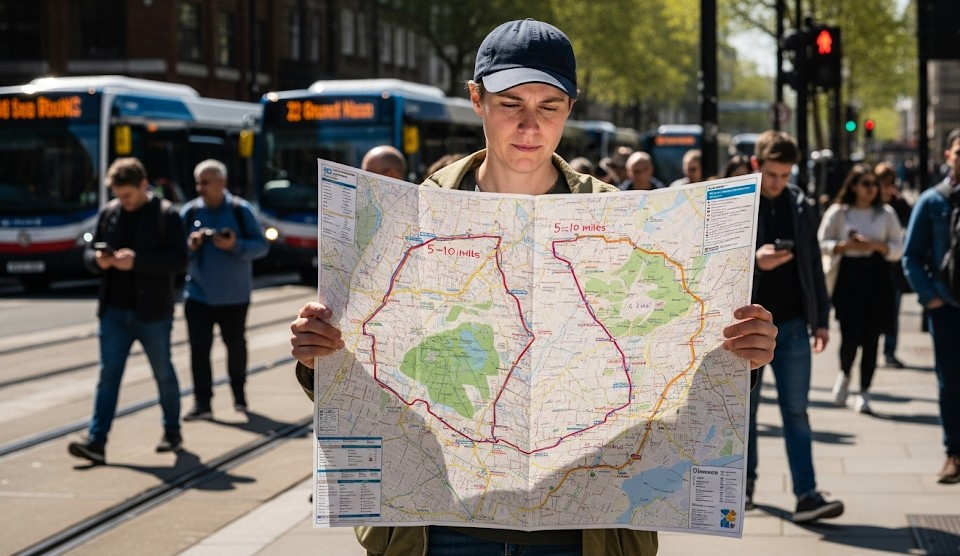
Handling Public Transportation Shutdowns
Plan backup routes, walking options, communication points, and safe decision triggers.
 Urban Survival
Staying Informed Without Internet or TV
Use radios, official alerts, printed plans, community channels, and backup power for information.
 Wilderness Survival
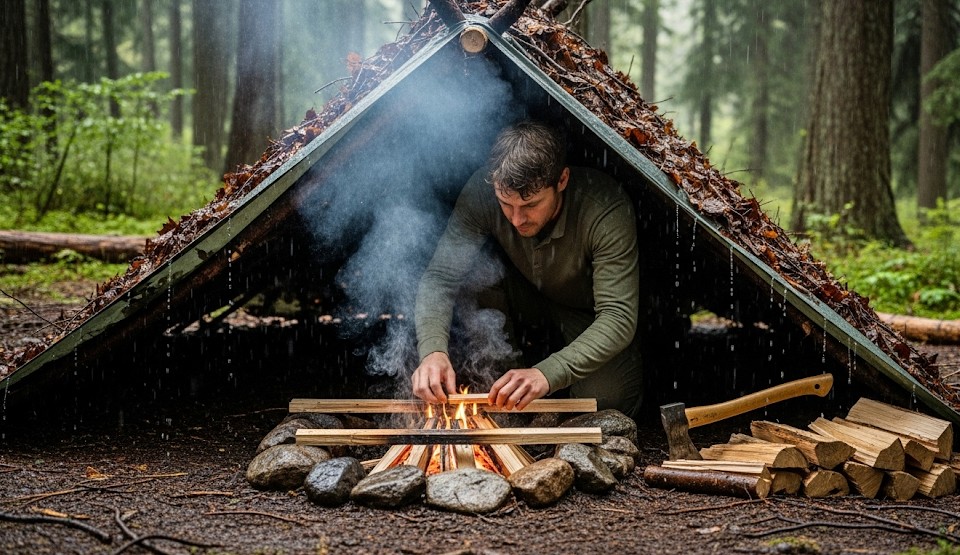
Building a Rainproof Fire After Days of Rain
Find dry fuel, split wood, make feather sticks, and protect fire lays in soaked conditions.
 Wilderness Survival
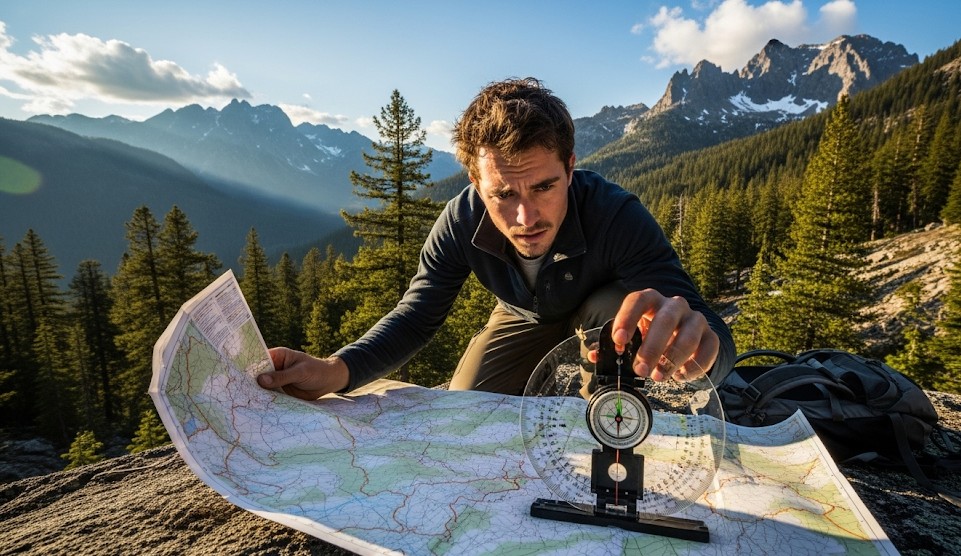
Resection & Triangulation: Finding Your Position
Use compass lines, visible landmarks, and terrain features to estimate your location.
 Mindset & Skills
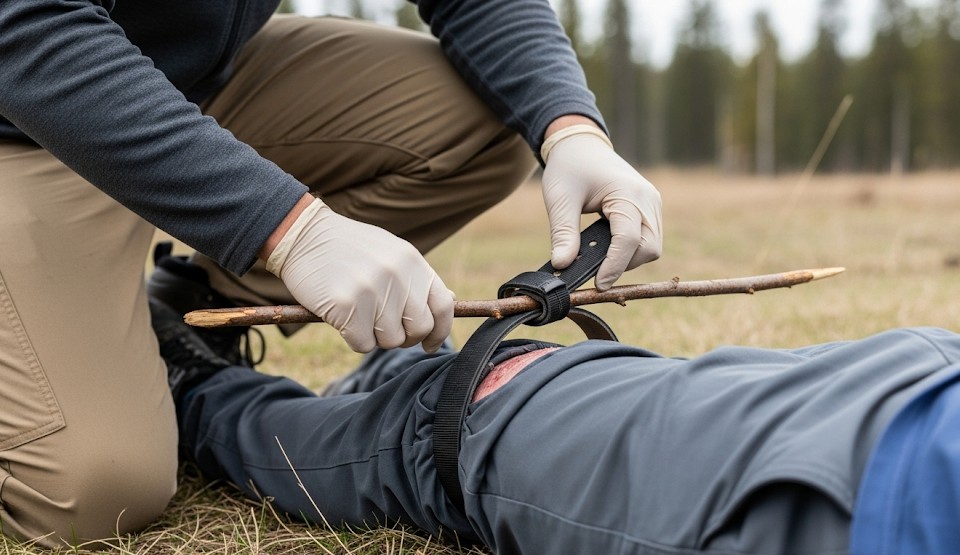
Bleeding Control: Tourniquets, Packing, Pressure
Understand immediate trauma priorities for life-threatening bleeding at home or in the field.
 Urban Survival
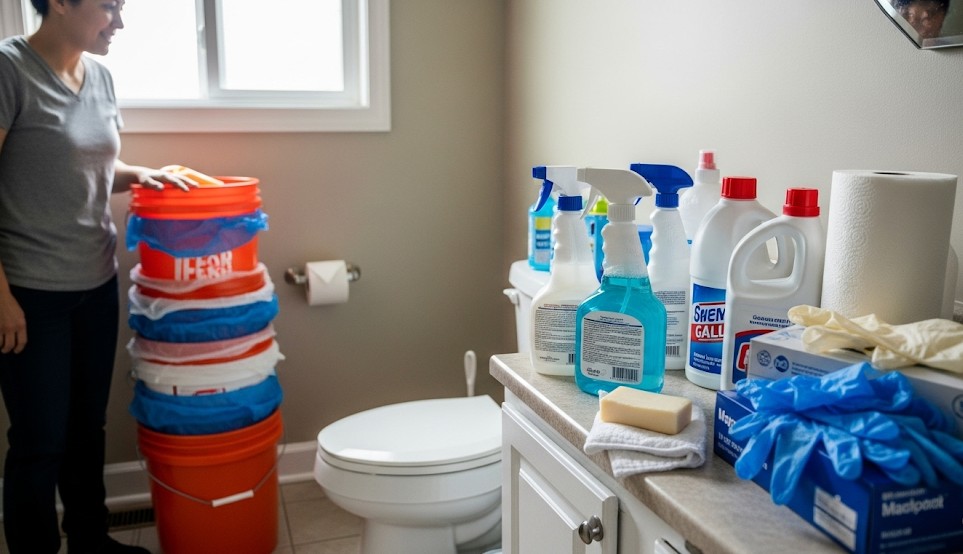
Sanitation When the Water Stops (Urban)
Manage waste, hand hygiene, cleaning, and disease prevention without running water.
 Urban Survival
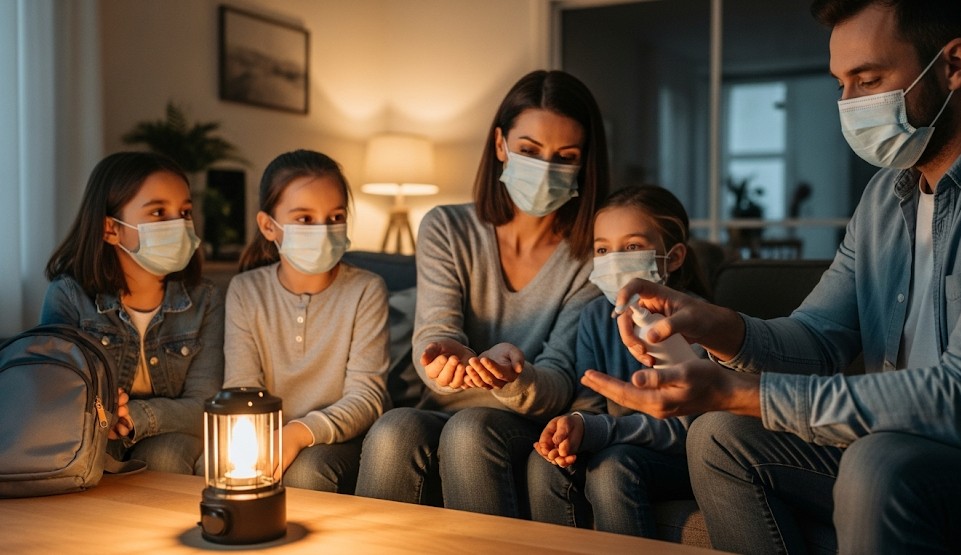
Pandemic-Style Hygiene & Masks in Disasters
Use respiratory protection, glove discipline, cleaning routines, and illness-reduction habits.
 Preparedness & Gear
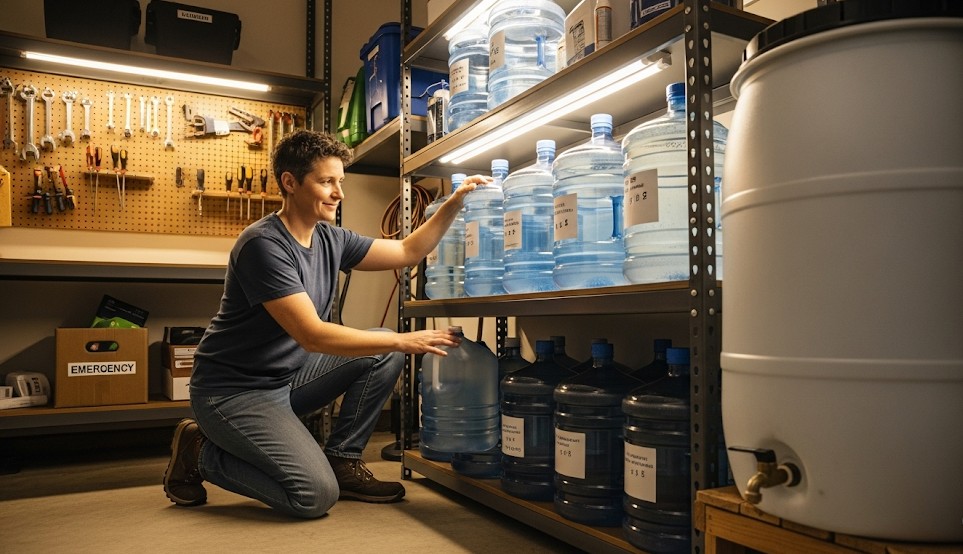
Home Water Storage & Rotation
Store enough water, choose safe containers, treat water correctly, and rotate supplies.
 Preparedness & Gear
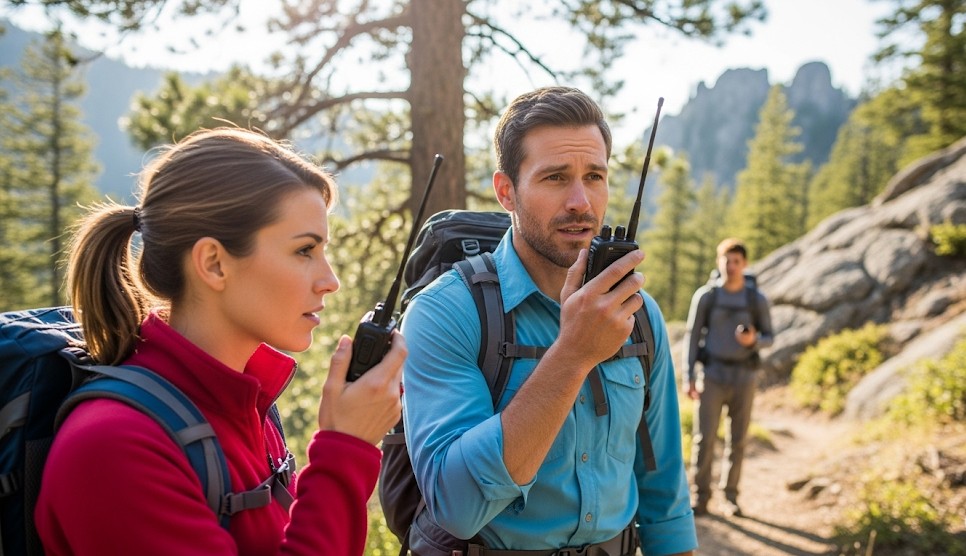
Using FRS/GMRS Radios: Setup & Etiquette
Plan channels, privacy codes, radio discipline, battery use, and family communication habits.
 Preparedness & Gear
Car as a Power Plant: Inverters & Safety
Safely use a vehicle for temporary power while managing ventilation, fuel, and device loads.
 Wilderness Survival
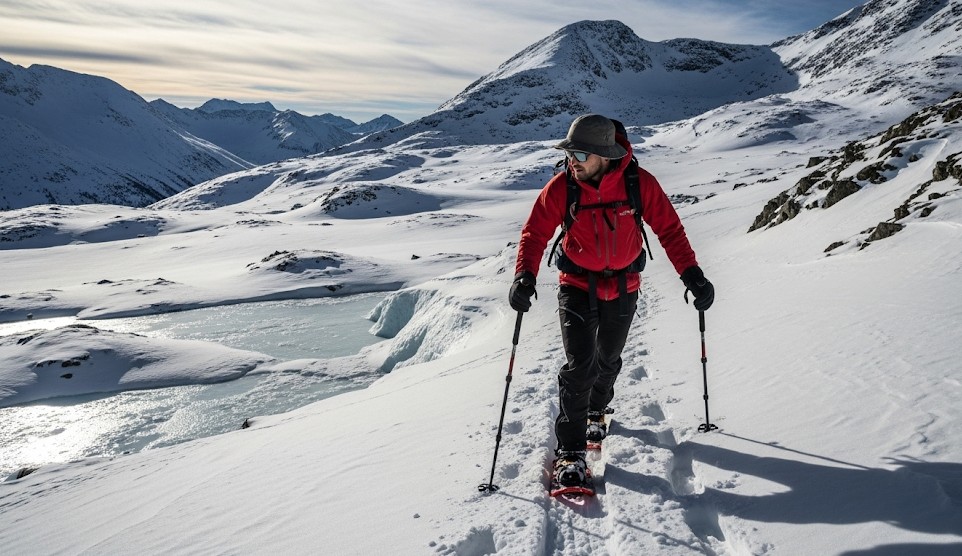
Freeze, Thaw, and Ice: Moving on Snow Safely
Choose footing, clothing, traction, pacing, and movement habits for winter surfaces.
 Preparedness & Gear
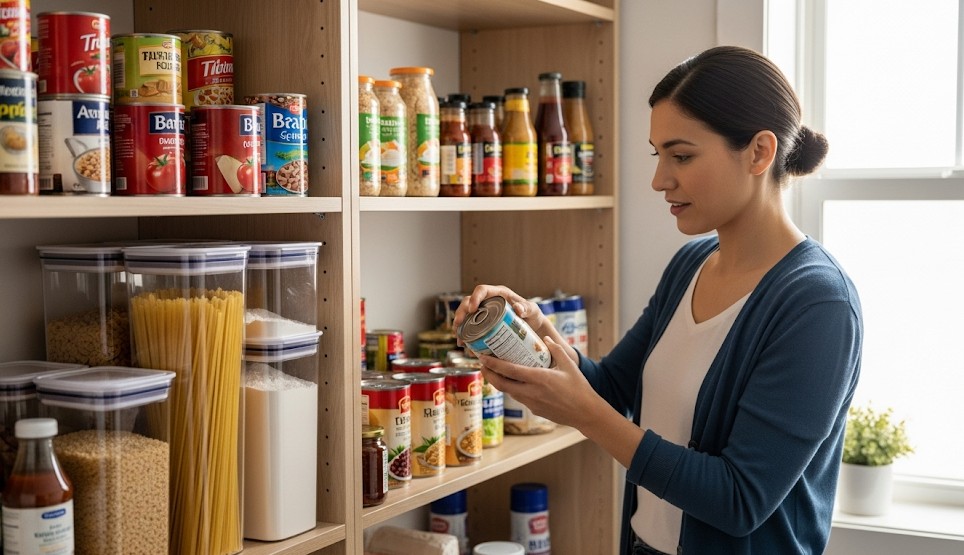
Food Storage 101: Shelf Life, Rotation, Calorie Math
Build a pantry that actually feeds people with shelf-life planning, rotation, and calorie math.
 Urban Survival
Emergency Heat Without Power: Safe, Smart, Warm
Warm people safely during outages while avoiding carbon monoxide, fire, and ventilation hazards.
 Mindset & Skills
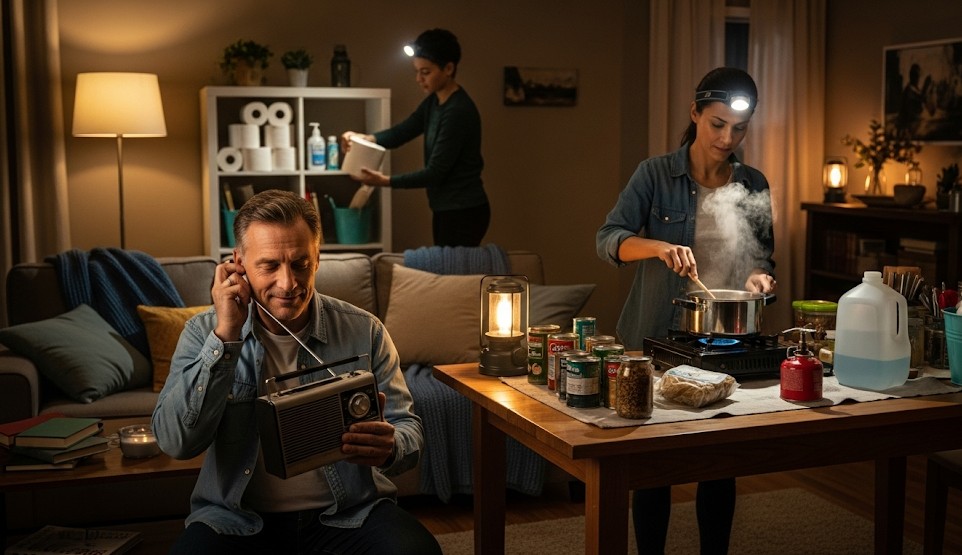
Grid-Down Morale: Routines, Rhythm, Resilience
Keep people calm and functional with structure, roles, routines, and realistic goals.
 Wilderness Survival
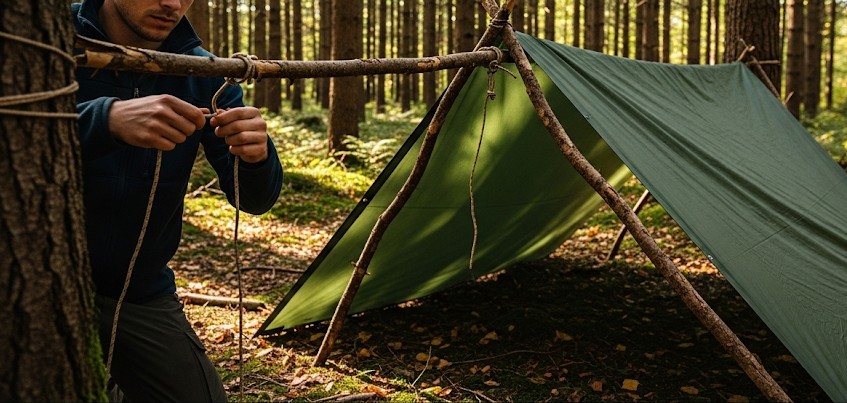
Tarp Shelter Mastery: Six Fast Pitches
Learn six tarp shelter pitches and when to use each for weather, wind, and speed.
 Mindset & Skills
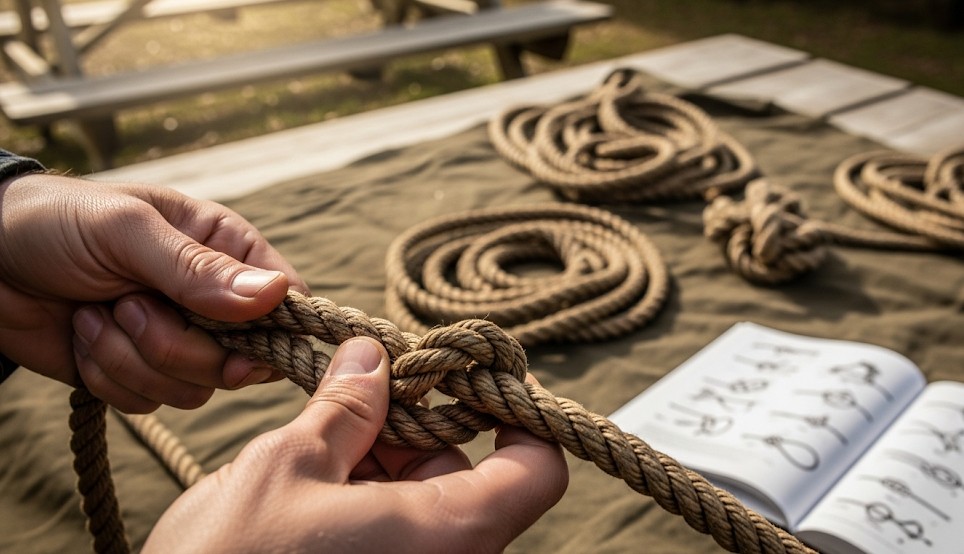
Eight Field Knots You’ll Actually Use
Use simple knots for shelter, hauling, repairs, tension, and field problem-solving.
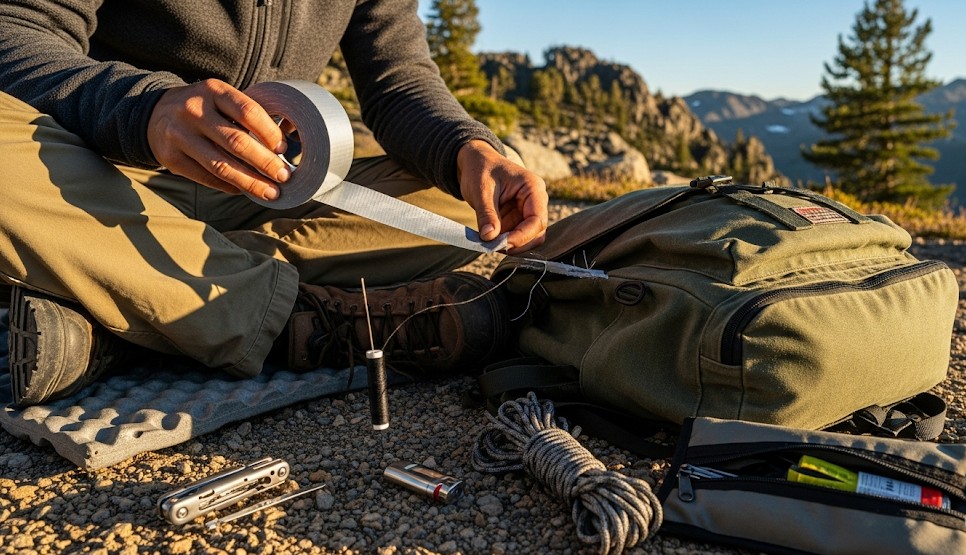 Preparedness & Gear
Field Repairs: Tape, Cord, Needle, Heat
Repair boots, packs, tents, straps, and basic kit failures with simple field supplies.
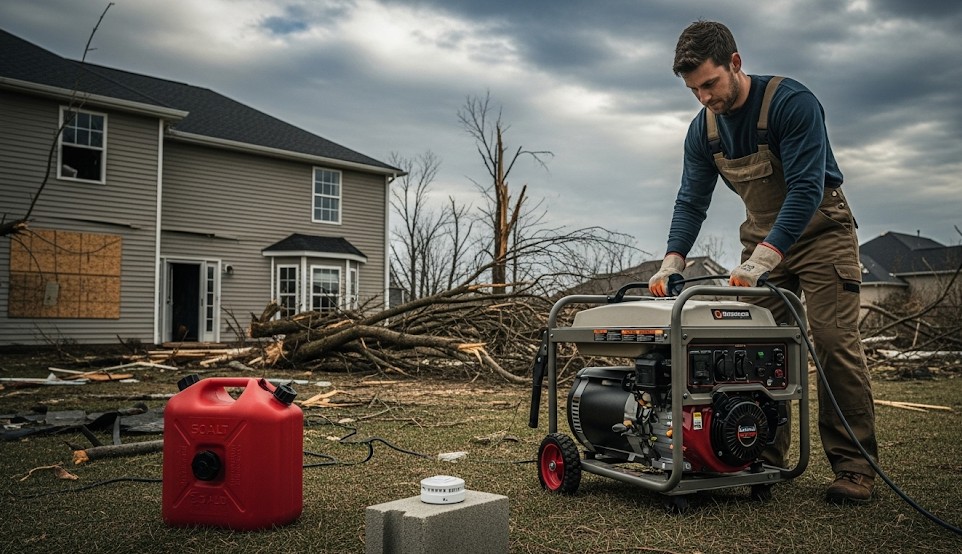 Preparedness & Gear
Portable Generators: Setup, Fuel, CO Safety
Use portable generators safely with outdoor placement, fuel planning, cords, and CO awareness.
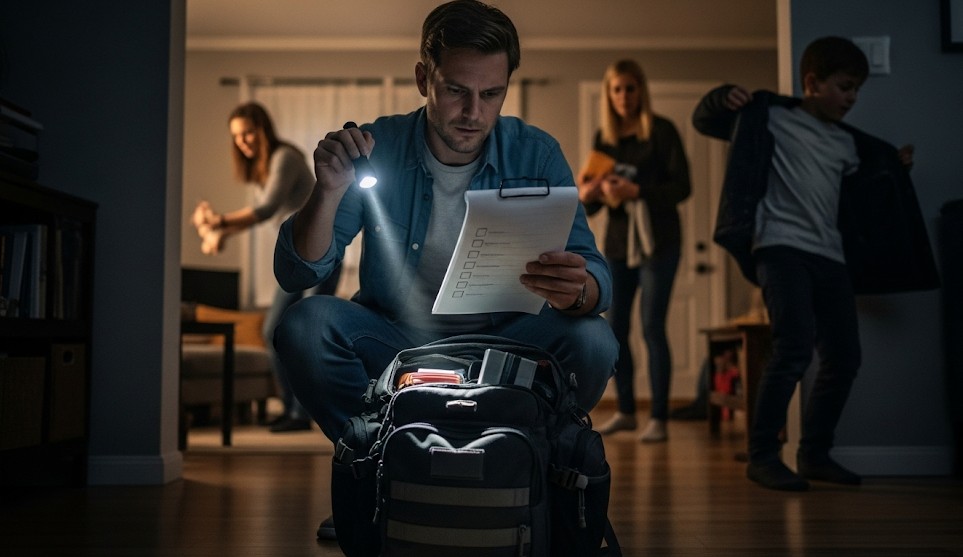 Preparedness & Gear
Evacuate in 20 Minutes: Load Plan & Checklist
Pre-plan fast evacuation with bins, vehicle layout, trigger points, documents, and priorities.
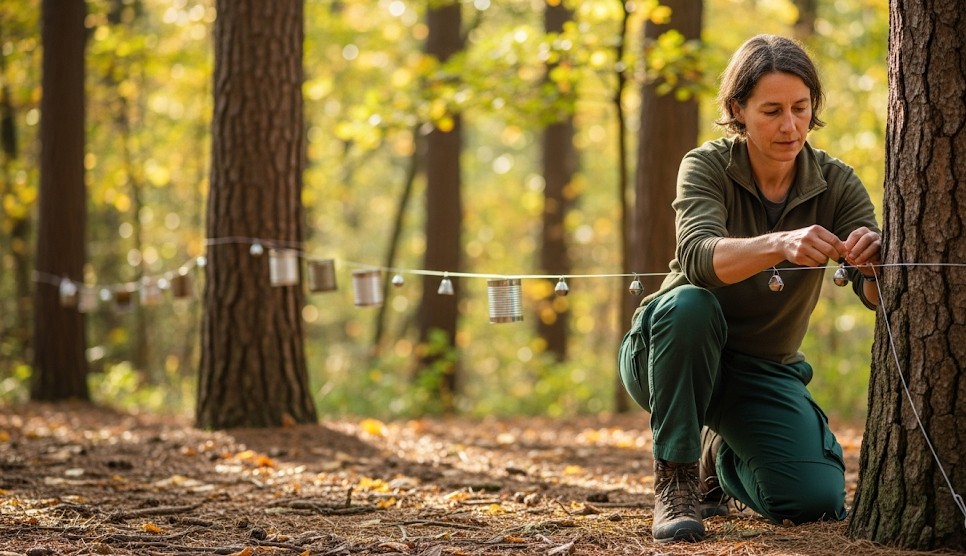 Preparedness & Gear
DIY Perimeter Alerts (Ethical & Safe)
Use non-harmful indicators, light noise makers, and awareness tools to detect approach safely.
 Preparedness & Gear
How to Survive a Zombie Apocalypse
A fictional scenario for thinking through supplies, teamwork, movement, and decision-making.
 Preparedness & Gear
Food Preservation Without Power
Use short-term and traditional methods such as salting, pickling, dehydration, and cooling pits.
 Preparedness & Gear
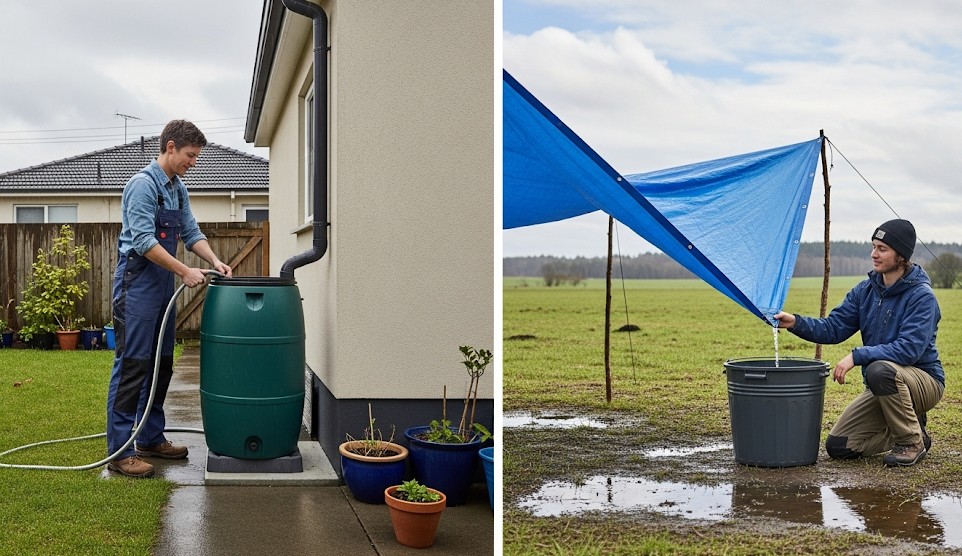
Rain Catchment & Water Discipline (Urban & Field)
Build small-footprint rain catchment and manage a tight water budget during blackouts or camp use.
 Mindset & Skills
Psychological First Aid: Stabilize, Orient, Support
Support people after shock with calm, humane steps that do not require clinical training.
 Wilderness Survival
Whiteout Navigation & Snow Travel Protocol
Hold direction and stay together during low-visibility snow travel with bearings and spacing.
 Disaster-Specific
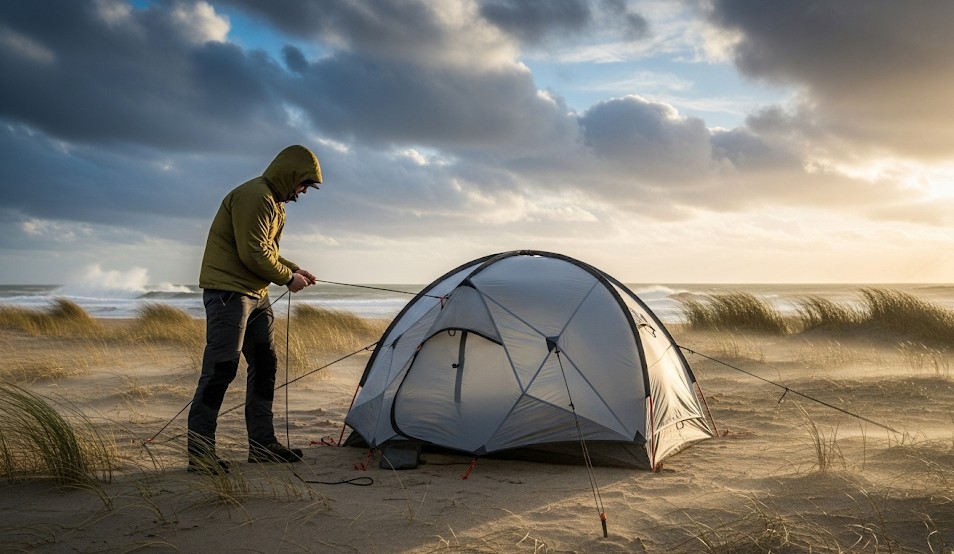
Storm-Grade Shelter in High Winds (Coastal/Plains)
Pitch low, anchor deep, manage wind direction, and build redundancy during high winds.
 Wilderness Survival
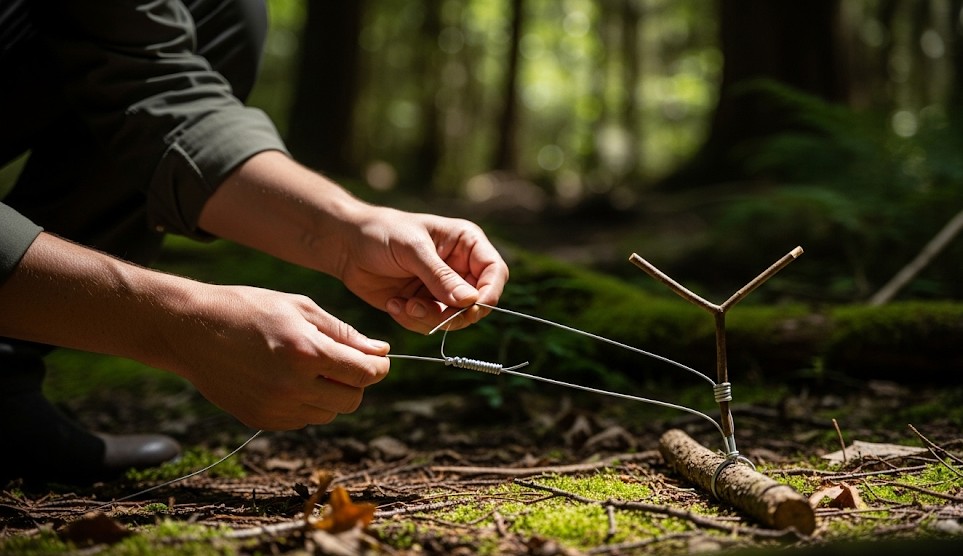
Food Procurement: Snares, Traps, and Legal Reality
Understand emergency trapping principles, safety, ethics, legal limits, and what not to do.
 Preparedness & Gear
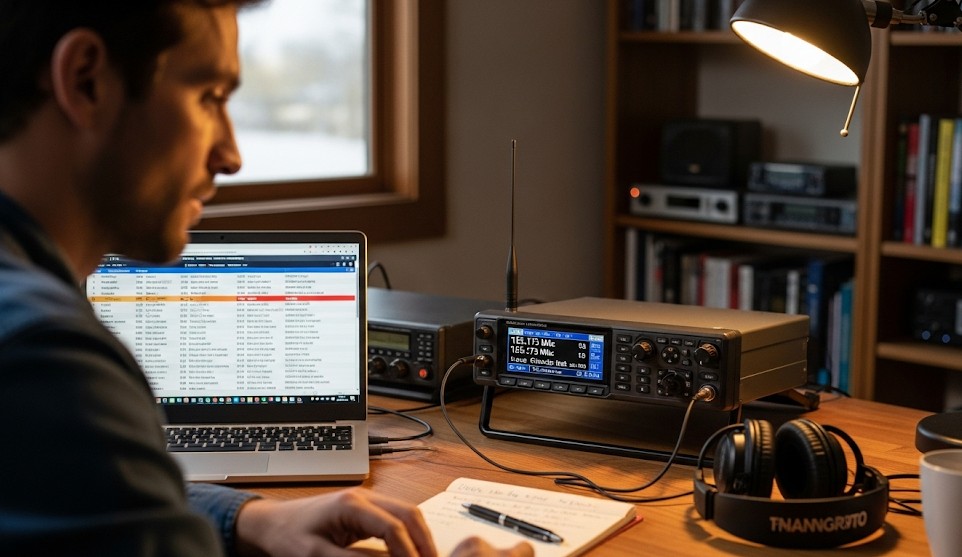
Scanner Listening & Local Frequencies (Legal & Safe)
Build a legal emergency listening plan for weather, public information, and community channels.
 Preparedness & Gear
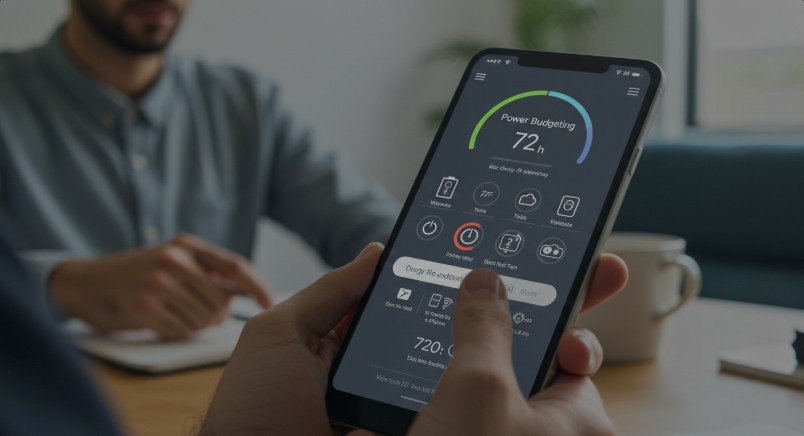
Power Budgeting: 72-Hour Device Plan
Prioritize communication and light, schedule charging, and avoid battery failure during emergencies.
 Urban Survival
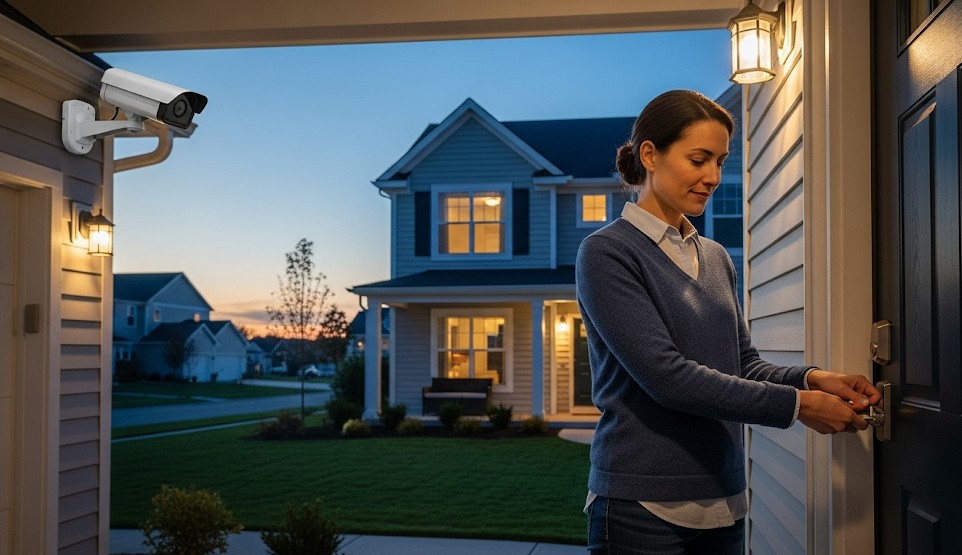
Suburban Home Security During Evac & Return
Plan layered security while leaving and safe re-entry when returning after an emergency.
 Mindset & Skills
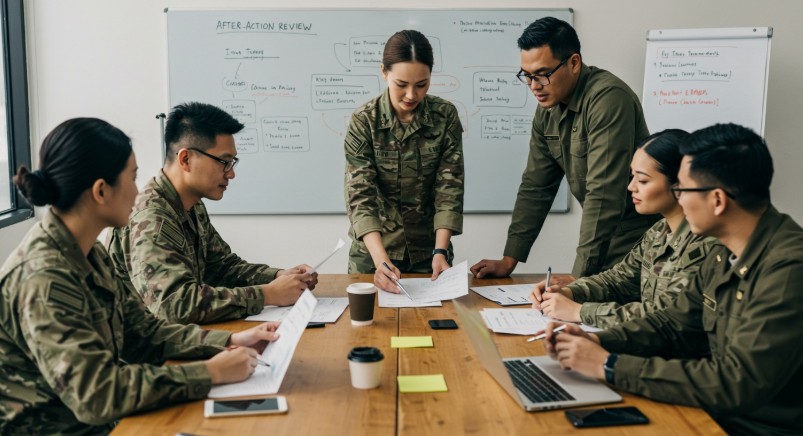
After-Action Review: Capture Lessons That Save Time
Use fast, honest debriefs to improve preparedness after drills, outages, trips, and real events.
 Wilderness Survival
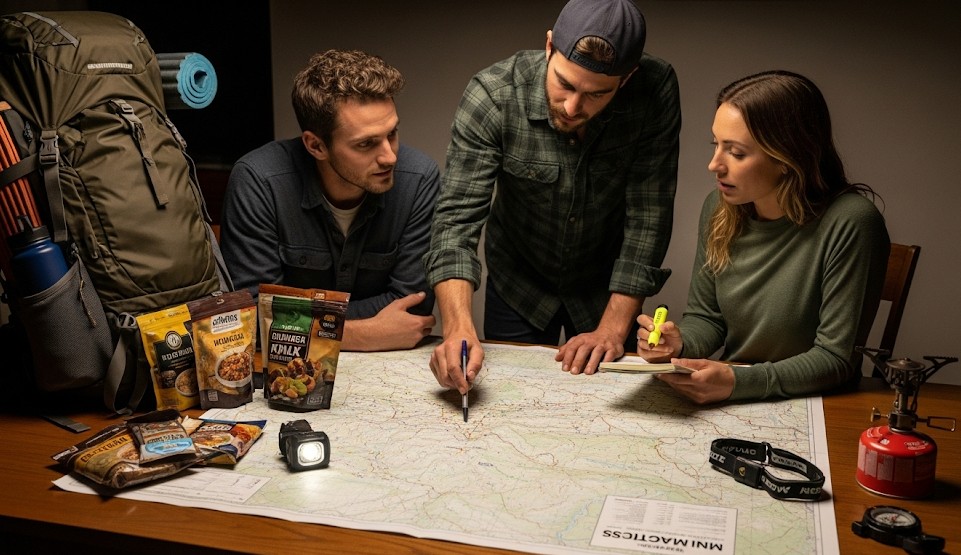
Multi-Day Trek Planning: Pace, Food, Fuel, Margin
Plan safer multi-day travel with realistic pace, calories, fuel, weather, and contingency time.