
Evacuate in 20 Minutes: Load Plan & Checklist
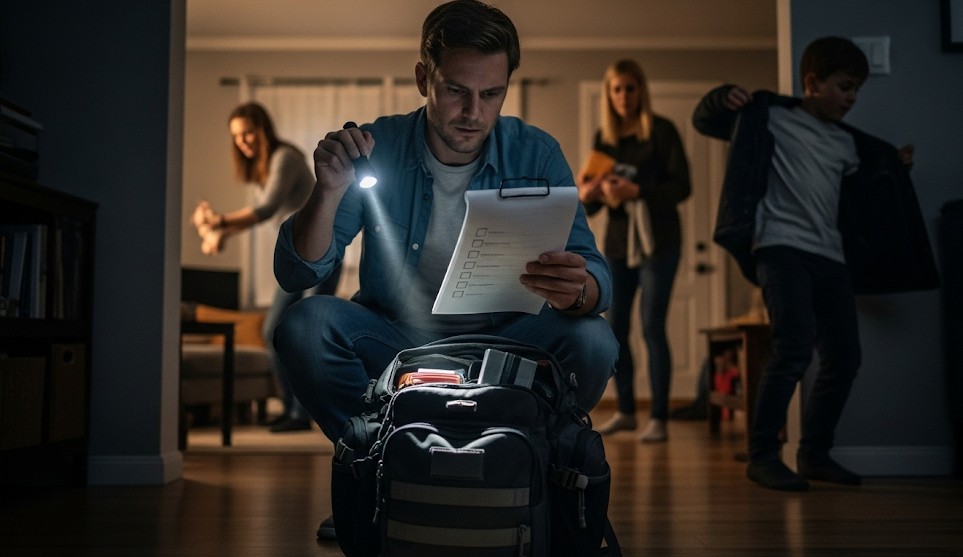
Why Fast Evacuation Matters
Wildfires, chemical spills, flash floods, hurricanes, gas leaks, and civil emergencies can change rapidly. Many people assume they will have hours to prepare, but real evacuations often become rushed, chaotic, and stressful.
The difference between a controlled evacuation and a panic evacuation usually comes down to preparation. Households that already know what to grab, where it is located, and how to load their vehicle leave faster and forget fewer critical items.
A realistic evacuation plan focuses on speed, priorities, and simplicity.
Objective
Leave safely within 20 minutes using a pre-planned vehicle load sequence, emergency checklists, and clear evacuation triggers.
Know Your Evacuation Triggers
Most people wait too long to leave because they have not decided what conditions should trigger action.
Create simple trigger levels before an emergency happens.
T1 – Prepare
- Fuel vehicles.
- Charge phones and power banks.
- Stage evacuation bins near exits.
- Monitor official updates.
T2 – Load and Stand By
- Load critical supplies into vehicles.
- Dress for travel.
- Prepare pets and carriers.
- Secure the home quickly.
T3 – Leave Immediately
- Go now.
- Skip non-essential items.
- Do not wait for “one more update.”
Delaying departure often creates traffic problems, fuel shortages, and dangerous driving conditions.
Build a Realistic Load Plan
A good evacuation vehicle should be loaded in a predictable order every time.
Keep similar items grouped together in labeled bins or bags.
Example SUV Load Layout
- Rear left: water and food containers
- Rear right: sleeping bags, blankets, shelter gear
- Seat backs: first aid kits, radios, flashlights
- Cabin floor: documents, valuables, medications
- Roof rack or last loaded: tools, fuel, bulky items
Heavy items should stay low and secure to avoid shifting during sudden stops.
Pre-Stage Important Items
The easiest way to evacuate quickly is to avoid searching the house during an emergency.
Keep evacuation gear staged in consistent locations.
- Go-bags near exits
- Pet supplies together
- Documents in waterproof pouch
- Power banks charged
- Flashlights in known locations
Every extra minute spent searching increases stress and confusion.
Protect Important Documents
Many people forget paperwork until after evacuation becomes urgent.
Store copies of:
- Identification
- Insurance policies
- Medical records
- Emergency contacts
- Property records
- Pet vaccination records
Waterproof folders or portable document pouches work well for fast loading.
Don’t Forget Pets
Pet evacuation delays are extremely common.
Prepare:
- Leashes and harnesses
- Carriers or crates
- Food and water
- Medication
- Waste bags
- Comfort items
Keep carriers accessible instead of buried in storage.
Fuel and Vehicle Readiness
During large emergencies, gas stations may lose power or develop long lines quickly.
Keep:
- Fuel tank above half whenever possible
- Tires properly inflated
- Basic tools in vehicle
- Phone chargers available
- Maps stored offline or printed
Vehicle problems during evacuation become much harder to solve under pressure.
Know Multiple Escape Routes
GPS systems may fail, lose signal, or route traffic into congestion during evacuations.
Identify:
- Primary evacuation route
- Secondary backup route
- Fuel locations along the way
- Safe regroup locations
Printed maps remain valuable during regional outages.
What Most People Forget
- Prescription medications
- Chargers and cables
- Eyeglasses
- Pet records
- Seasonal clothing
- Cash
- Spare keys
- Paper maps
- Children’s comfort items
Common Evacuation Mistakes
- Waiting too long to leave.
- Trying to save too many possessions.
- Not knowing where critical documents are located.
- Blocking exits with overloaded gear.
- Failing to fuel vehicles early.
- Ignoring traffic and road conditions.
Real Example
During a fast-moving wildfire warning, one family used a pre-labeled bin system and a practiced vehicle layout to evacuate in under 15 minutes. Because documents, medications, pet carriers, and fuel were already staged, they avoided the confusion and delays many nearby households experienced.
20-Minute Evacuation Checklist
- IDs and critical documents
- Medications and medical devices
- Go-bags for each person
- Phone chargers and power banks
- Water and snacks
- Pet supplies and carriers
- Flashlights and radios
- Cash and spare keys
- Clothing and weather gear
- Paper maps
Practice Your Evacuation Plan
A written plan is only useful if it has been tested.
- Set a timer for 20 minutes.
- Stage the evacuation exactly as if it were real.
- Load the vehicle completely.
- Identify delays and confusion points.
- Improve the system afterward.
Even one practice run can dramatically improve evacuation speed.
Final Thoughts
Fast evacuations are built on preparation, not panic. Households that know what matters most and practice simple loading systems are far more likely to leave safely and calmly during real emergencies.
Build your evacuation plan now before the next wildfire, storm, flood, or regional emergency forces decisions under pressure.
← Previous | All Articles | Next →