
Handling Public Transportation Shutdowns
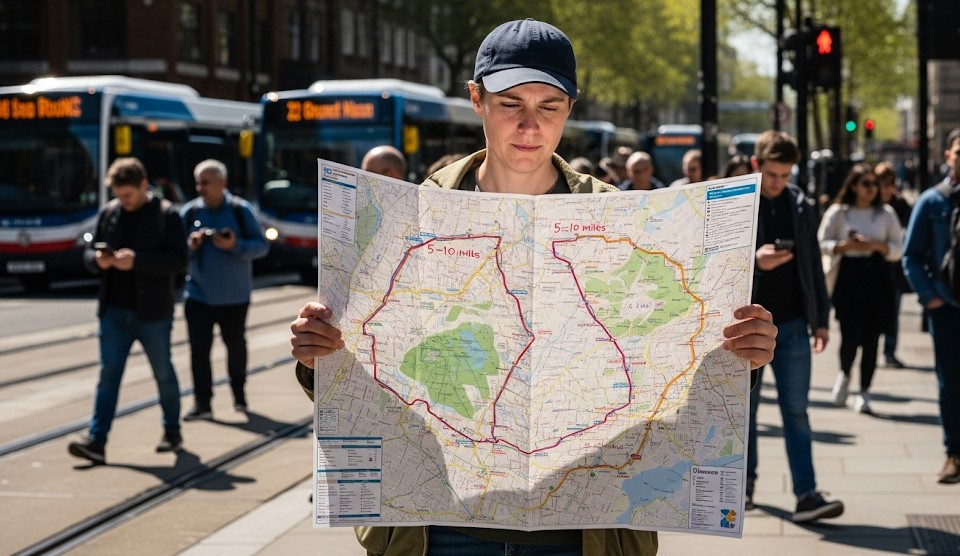
Why Transit Shutdowns Matter
Millions of people depend on buses, trains, subways, ferries, and commuter rail systems every day. When those systems stop unexpectedly, entire cities can become crowded, confused, and difficult to move through.
Transit shutdowns can happen because of:
- Power outages
- Severe weather
- Flooding
- Cyberattacks
- Strikes
- Civil unrest
- Mechanical failures
- Security incidents
Most people do not think about transportation backup plans until they are stranded far from home with thousands of other frustrated commuters.
Objective
Safely reach home or another secure location when buses, trains, subways, or other transit systems shut down unexpectedly.
Pre-Planning Makes the Difference
The best time to prepare for a transportation shutdown is before it happens.
Know Your Walking Routes
Study at least:
- One primary walking route home
- Two alternate routes
- Safe shelter locations along the way
Focus on routes that avoid:
- Highways
- Industrial zones
- Unsafe underpasses
- Flood-prone areas
- Poorly lit corridors
Estimate Real Walking Time
Most people overestimate how quickly they can walk long urban distances.
A reasonable emergency walking pace is often:
- 3–4 miles per hour on flat terrain
- Slower in crowds, heat, snow, or while carrying gear
Test parts of your route before an emergency if possible.
Keep a Small Transit Emergency Kit
A lightweight commuter kit can make a major difference during shutdowns.
Recommended Items
- Comfortable walking shoes
- Extra socks
- Water bottle
- Snacks or energy bars
- Phone power bank
- Paper map
- Cash
- Rain shell or poncho
- Compact flashlight
- Seasonal clothing layers
Keep the kit small enough that you will actually carry it regularly.
When the Shutdown Happens
Stay calm and avoid rushing with crowds.
Avoid Transit Bottlenecks
Crowded stations and bus terminals become chaotic quickly.
- Move to surface streets early.
- Do not remain trapped in crowded underground areas.
- Avoid pushing or crowd surges.
- Keep situational awareness high.
Sometimes walking several blocks away from the shutdown area dramatically improves safety and options.
Group Travel vs Solo Travel
Small groups are often safer and more efficient than traveling alone, especially at night.
Good Group Practices
- Agree on pace and rest intervals.
- Keep slower members centered.
- Stay together at intersections.
- Share navigation responsibilities.
Large crowds are different. Large panicked groups can become dangerous quickly.
Urban Walking Safety
Long emergency walks through cities present different hazards than wilderness hiking.
- Cross only at safe intersections.
- Stay visible to vehicles.
- Avoid distracted phone use while walking.
- Use well-lit routes after dark.
- Trust your instincts around unsafe situations.
Fatigue causes poor decision-making. Pace yourself.
Weather Changes Everything
Transit shutdowns during extreme weather are far more dangerous.
Cold Weather
- Protect hands, feet, and ears.
- Stay dry whenever possible.
- Avoid sweating heavily early in the walk.
Heat
- Slow your pace.
- Seek shade frequently.
- Monitor water carefully.
Rain
- Protect socks and feet.
- Use waterproof layers if possible.
- Avoid floodwater crossings.
Alternative Transportation Options
During widespread shutdowns, rideshares and taxis may become overloaded or unavailable.
Sometimes the best strategy is to walk beyond the main shutdown zone before requesting transportation.
Other options may include:
- Carpooling
- Bicycles
- Scooters
- Temporary sheltering in place
Communication Planning
Family members should know:
- Your likely walking route
- Backup routes
- Check-in procedures
- Expected travel times
Text messages often work better than phone calls during overloaded emergencies.
Real Example
After a major commuter rail shutdown, an office group left the crowded station area quickly and used a riverside greenway route to reach a rideshare pickup point several miles away from the congestion zone. The group avoided gridlock, maintained a steady pace, and safely returned home before nightfall.
Common Mistakes
- Wearing uncomfortable shoes.
- Relying entirely on phone navigation.
- Ignoring weather conditions.
- Remaining trapped in crowded transit hubs too long.
- Carrying no water or snacks.
- Attempting unsafe shortcuts.
Simple Readiness Drill
Once this month, walk part of your emergency route home.
- Time the distance.
- Identify water stops and safe locations.
- Check footwear comfort.
- Look for hazards or better alternate routes.
Real-world familiarity removes a huge amount of uncertainty during actual emergencies.
Final Thoughts
Public transportation shutdowns are stressful because they remove the systems people depend on every day. Most problems become much easier to manage with preparation, route awareness, and basic walking readiness.
Comfortable shoes, a small emergency kit, backup routes, and calm decision-making can turn a difficult shutdown into a manageable inconvenience instead of a dangerous situation.
← Previous | All Articles | Next →