
Signaling for Rescue: Be Seen, Be Heard
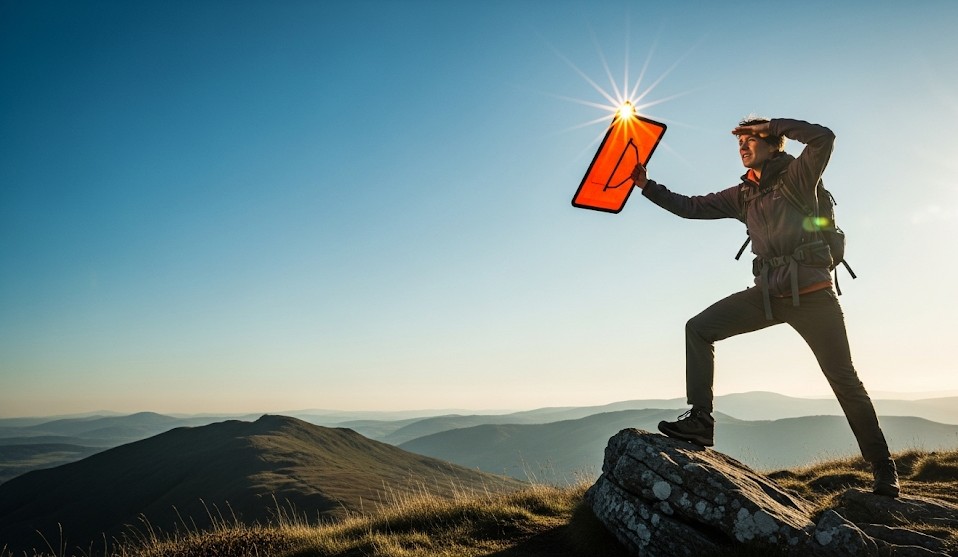
Why Rescue Signaling Matters
In many survival situations, the problem is not that rescuers are not looking. The problem is that they cannot see or hear you. People are surprisingly hard to spot from aircraft, trails, roads, boats, and ridgelines, especially when clothing blends into terrain or weather reduces visibility.
Good signaling improves your odds by making your location obvious, unusual, and repeatable. A rescue signal should interrupt the background. It should look or sound like something a person deliberately created.
The goal is simple: make yourself easier to find while conserving energy and staying as safe as possible.
Objective
Use sound, light, color, contrast, movement, and ground-to-air signals to help rescuers locate you faster during wilderness, water, roadside, or disaster emergencies.
The Rule of Three for Signals
In many rescue contexts, groups of three are commonly understood as distress signals.
- Three whistle blasts
- Three fires
- Three flashes of light
- Three large ground markers
- Three repeated movements
Repetition matters. A single sound or flash may be ignored. A repeated pattern looks intentional.
Start With Location
Before signaling, choose the best safe location available.
Good signaling locations include:
- Clearings
- Ridges
- Shorelines
- Open gravel bars
- Snowfields
- Road edges
- Open meadows
Avoid exhausting yourself by constantly moving. If you have already communicated a location or left a trip plan, staying near that expected area often improves rescue odds.
Visual Signaling With Color and Contrast
Bright colors stand out against natural backgrounds.
Useful signal materials include:
- Orange tarp
- Bright rain jacket
- Emergency blanket
- Signal panel
- Backpack rain cover
- Reflective tape
Spread bright material flat in an open area where aircraft or search teams can see it.
Ground-to-Air Signals
Large ground signals are useful when aircraft may pass overhead.
Good ground signals are:
- Large
- Straight-lined
- High contrast
- Placed in open areas
- Visible from multiple directions
Use rocks, logs, clothing, tarps, branches, snow trenches, or cleared ground to create symbols.
Common Ground Patterns
- SOS: widely recognized distress signal
- Large arrow: points toward your location
- X: indicates need for help
- Three markers: repeated distress pattern
Bigger is better. Small signals disappear from the air.
Signal Mirror Technique
A signal mirror can be seen from long distances in direct sunlight.
- Face the sun safely.
- Use the mirror to create a bright flash.
- Use your fingers as a sighting guide if no aiming hole exists.
- Sweep the flash across the aircraft, boat, or search team.
- Repeat steadily without staring into the sun.
Start signaling before the aircraft passes overhead. Lead the target and sweep across its path.
Whistle Signaling
A whistle carries farther than shouting and uses far less energy.
Recommended pattern:
- Three short blasts
- Pause
- Repeat every minute or when you hear searchers nearby
Shouting quickly exhausts you and damages your voice. A small emergency whistle should be carried on your pack, jacket, or person.
Light Signaling at Night
At night, lights can be extremely effective.
- Headlamp flashes
- Flashlight signals
- Strobe mode
- Chem lights swung slowly on cord
- Lantern placed in a clearing
The SOS pattern is three short flashes, three long flashes, and three short flashes.
Avoid draining batteries by signaling in deliberate windows unless rescuers are nearby.
Smoke and Fire Signals
Smoke can be effective in daylight, especially from open terrain.
Use extreme caution. Do not start a wildfire trying to signal.
- Build fires only where safe and legal.
- Use green vegetation to create smoke if safe.
- Keep water, dirt, or tools ready to control fire.
- Never signal with fire in high-risk wildfire conditions.
Fire is a tool, not a toy. In dry conditions, use mirrors, panels, or sound instead.
Movement Signals
Human movement catches attention.
- Slow deliberate arm waves
- Bright cloth waved overhead
- Repeated movement in an open area
- Panel movement from shade to sun
Random movement may be missed. Deliberate repeated movement looks intentional.
Signaling From Forest or Dense Cover
Dense canopy makes signaling much harder.
If safe, move to:
- Clearings
- Ridges
- Stream openings
- Rock outcrops
- Trail junctions
If you cannot move far, create markers leading from the open area back to your shelter.
Signaling Near Water
Shorelines and riverbanks can improve visibility.
- Place bright panels near the shoreline.
- Use reflective flashes toward boats or aircraft.
- Create large symbols in sand, mud, or snow.
- Stay above flood or tide danger zones.
Real Example
A small hiking group near treeline used bright ponchos to create a large triangle in an open meadow. When a helicopter passed near the valley, one person used a mirror sweep while another waved a bright jacket slowly overhead.
The helicopter did not land immediately, but the crew marked the location and returned with ground team coordination.
Common Signaling Mistakes
- Using signals too small to see from the air.
- Wasting whistle energy randomly instead of using patterns.
- Staying hidden under tree cover.
- Letting batteries die before nightfall.
- Leaving bright gear packed away.
- Assuming one signal method is enough.
Rescue Signaling Checklist
- Signal mirror
- Emergency whistle
- Bright panel or tarp
- Headlamp
- Spare batteries
- Emergency blanket
- Chem light
- Marker tape
- Fire starter where safe and legal
10-Minute Practice Drill
- Lay out a visible ground signal in your yard or safe open area.
- Practice three whistle blasts and pauses.
- Use a mirror to safely flash a distant fixed object.
- Test your headlamp strobe or flash pattern.
- Pack all signal tools in one easy-to-reach kit location.
Practice prevents fumbling when stress is high.
Final Thoughts
Rescue signaling is about contrast, repetition, and timing. Make your signal large, visible, unusual, and easy to recognize.
Carry more than one signaling method because weather, terrain, daylight, and battery life all change what works best.
A whistle, mirror, bright panel, and headlamp weigh very little but can dramatically increase your odds of being found.
← Previous | All Articles | Next →