After-Action Review: Capture Lessons That Save Time
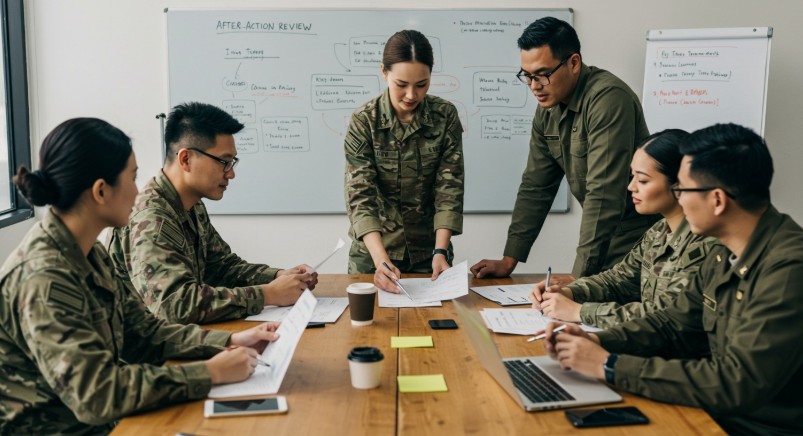
Why After-Action Reviews Matter
Most people repeat mistakes because they never stop long enough to analyze what actually happened. After-action reviews, often called AARs, are one of the fastest ways to improve preparedness, emergency response, field skills, and household coordination.
A good AAR turns stressful experiences into usable lessons. Whether you are dealing with a power outage, severe weather event, evacuation, vehicle breakdown, training exercise, camping trip, or emergency drill, reviewing what worked and what failed helps prevent the same problems from happening again.
The goal is not blame. The goal is improvement.
Objective
Turn real experiences into measurable improvements within 24–48 hours using a repeatable, honest, and organized review process.
When to Conduct an AAR
The best time for an after-action review is after everyone is safe, calm, hydrated, and able to think clearly.
Sooner is usually better because details fade quickly.
Good times to conduct an AAR include:
- After a blackout or storm response
- After evacuation drills
- Following vehicle recovery incidents
- After camping or field exercises
- Following medical incidents
- After radio communication tests
- After neighborhood preparedness events
- Following travel disruptions or transportation failures
Even small events are worth reviewing because minor problems often expose larger weaknesses.
The Five-Step AAR Process
1. Define the Purpose
Start with one simple question:
“What were we trying to accomplish?”
This keeps the discussion grounded. If people never define the original objective, the conversation drifts into random complaints and hindsight arguments.
Examples:
- “We wanted to evacuate in under 20 minutes.”
- “We wanted to maintain communications during the outage.”
- “We wanted to test our cold-weather shelter system.”
- “We wanted to safely ride out a 48-hour blackout.”
2. Review the Facts
Build a timeline of what actually happened.
Stick to facts before opinions.
- What time did the event start?
- What equipment was used?
- Who performed which tasks?
- What decisions were made?
- What changed unexpectedly?
Avoid turning this stage into a blame session. The point is to understand events clearly.
3. Identify What Worked
Many people focus only on failures, but successful actions matter too.
Ask:
- What saved time?
- What equipment performed well?
- What preparation paid off?
- Which routines reduced stress?
- What communication methods worked best?
Effective systems should be protected and repeated.
4. Identify What Failed
This stage requires honesty without ego.
Common failure categories include:
- Poor planning
- Lack of training
- Missing equipment
- Communication failures
- Unrealistic expectations
- Physical exhaustion
- Decision paralysis
- Disorganized supplies
Focus on root causes instead of symptoms.
Example:
“The flashlight failed” is less useful than:
“We never tested stored batteries during quarterly checks.”
5. Create a Fix List
An AAR without action is just storytelling.
Finish with a short improvement list:
- Replace expired batteries
- Move trauma kit to accessible shelf
- Pre-stage evacuation bins
- Print updated neighborhood maps
- Train on radio procedures monthly
Keep the list realistic. Small improvements done consistently beat huge plans nobody finishes.
Useful Questions to Ask
- What surprised us?
- What slowed us down?
- What equipment was missing?
- What caused confusion?
- What skills need practice?
- What should we stop doing?
- What should become standard procedure?
Keep the Environment Honest
People often avoid criticism because they do not want conflict. That weakens the review process.
Effective AARs require honesty without humiliation.
Good facilitators:
- Listen more than they talk
- Redirect emotional arguments back to facts
- Prevent interruptions
- Focus on systems instead of personalities
- Encourage quieter people to contribute
If emotions are high, pause and continue later.
Field Notes Matter
Small observations become valuable later.
Useful things to document include:
- Fuel usage
- Battery runtime
- Travel times
- Water consumption
- Weather conditions
- Radio performance
- Gear failures
- Stress points
Keeping a notebook or printed review template makes future planning much easier.
Real Example
After becoming stranded during a winter roadside emergency, a small preparedness group conducted an AAR the next day. They realized their reflective warning triangles had been placed too close to the disabled vehicle, causing dangerous near-misses from passing traffic.
The group updated their emergency checklist to include minimum triangle placement distances based on road speed. They also moved winter gloves and headlamps into a more accessible location inside the vehicle.
The next winter incident went far more smoothly because the lessons had already been captured and implemented.
Common AAR Mistakes
- Waiting too long to review events
- Turning the discussion into blame or arguments
- Ignoring successful actions
- Failing to document improvements
- Making huge unrealistic change lists
- Never revisiting previous lessons
After-Action Review Checklist
- Notebook or printed AAR form
- Whiteboard or marker
- Timeline of events
- Photos or video if available
- Improvement list with owners
- Calendar reminder for follow-up
10-Minute Drill
Pick your last real inconvenience or preparedness event. Maybe a blackout, dead battery, severe storm, or delayed evacuation.
Write down:
- What happened
- What worked
- What failed
- One improvement you can make this week
Even one small lesson captured today can prevent major problems later.
Final Thoughts
Preparedness is not about being perfect. It is about learning faster than your mistakes.
The people who improve most are not always the smartest or most heavily equipped. They are usually the people willing to honestly evaluate what happened, fix weaknesses, and keep refining their systems over time.
A strong after-action review process turns every challenge into training for the next one.
← Previous | All Articles | Next →