
Suburban Home Security During Evac & Return
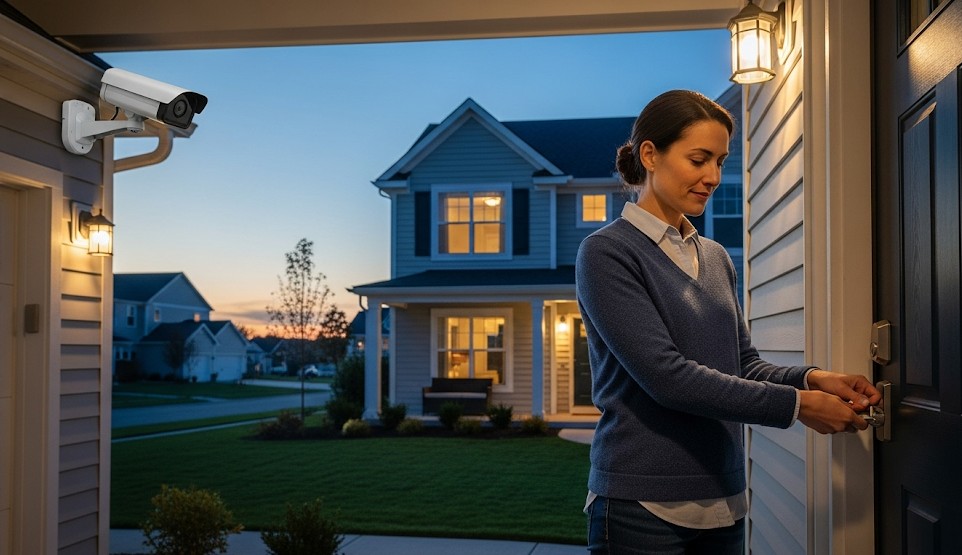
Why Home Security Matters During Evacuation
Evacuations are stressful because they force quick decisions under pressure. Whether the cause is wildfire, flood, hurricane, chemical spill, civil disruption, or extended utility failure, leaving home unattended creates both security and safety concerns.
Most suburban evacuation security is not about extreme measures. It is about reducing easy opportunities, documenting property, protecting utilities, communicating with trusted neighbors, and returning safely when conditions improve.
A home that is locked, documented, organized, and visibly maintained is less likely to suffer preventable problems while you are away.
Objective
Reduce burglary, damage, utility hazards, and re-entry risks before evacuating and when returning home after a disaster or emergency.
Before Leaving: Secure the Basics First
When evacuation becomes likely, start with simple actions that reduce obvious vulnerabilities.
- Lock all exterior doors.
- Check all windows.
- Secure garage doors manually if needed.
- Close blinds or curtains where appropriate.
- Bring valuable outdoor items inside.
- Remove spare keys from obvious hiding spots.
Do not leave tools, ladders, or outdoor equipment where they can be used to access the home.
Strengthen Entry Points
Many suburban homes have weak points that can be improved before an emergency.
- Upgrade strike plates with longer screws.
- Use door wedges or security bars where appropriate.
- Secure sliding doors with rods or track locks.
- Check basement windows and side entrances.
- Lock gates and sheds.
These improvements are useful year-round, not only during evacuations.
Document the Home Before You Leave
Documentation helps with insurance, recovery, and police reporting if damage or theft occurs.
Use your phone to record:
- Each room
- Electronics and serial numbers
- Appliances
- Garage and tools
- Jewelry or valuables
- Outdoor structures
- Vehicles
Store copies in cloud storage or send them to yourself by email before leaving.
Utility Safety
Utility decisions depend on the emergency and local guidance.
Gas
Shut off gas only if advised by authorities, if you smell gas, or if conditions require it. Some utility systems must be restored by professionals.
Water
If flooding, freezing, or pipe damage is possible, shutting off water may prevent major interior damage.
Electricity
Unplug non-essential electronics to reduce surge damage when power returns. Leave one visible light switched on if you want a power-return indicator.
Neighbor Coordination
Trusted neighbors are one of the best security assets in suburban areas.
Before leaving, consider sharing:
- Evacuation timing
- Emergency contact number
- Vehicle description
- Expected return window
- Any special concerns
Avoid publicly posting evacuation details on social media. Share information only with people you trust.
Make the Home Look Maintained
If evacuation is short-term and safe to arrange, small details help a home look less abandoned.
- Use timer lights if power is expected to remain on.
- Ask a trusted neighbor to collect visible packages.
- Pause deliveries if time allows.
- Move trash cans back from the curb.
- Keep exterior areas tidy before leaving.
A house that appears completely unattended may draw more attention.
Security Cameras and Smart Devices
Cameras, doorbells, and alarms can help, but only if power and internet remain available.
Do not rely entirely on smart-home systems during disasters.
- Charge backup batteries.
- Confirm camera angles.
- Check notification settings.
- Keep manual locks functional.
Mechanical security still matters when technology fails.
Returning Home Safely
Re-entry can be more dangerous than leaving, especially after storms, fires, floods, earthquakes, or extended power outages.
Before entering:
- Look for forced-entry signs.
- Check for broken windows.
- Watch for downed power lines.
- Smell for gas.
- Look for water damage.
- Listen for unusual sounds.
If anything seems wrong, do not enter. Contact authorities or qualified professionals.
Interior Re-Entry Checklist
Once safe to enter, move slowly.
- Use a flashlight.
- Wear sturdy shoes and gloves.
- Check ceilings and floors for damage.
- Avoid standing water near electrical systems.
- Check refrigerator and freezer contents carefully.
- Photograph damage before cleanup.
Do not rush into cleanup before documentation is complete.
Food and Freezer Concerns
If power was out for a long time, spoiled food can become a serious sanitation problem.
- Do not open refrigerators until ready to deal with contents.
- Wear gloves.
- Bag spoiled food securely.
- Clean and disinfect surfaces afterward.
For related planning, read: Food Preservation Without Power.
Real Example
Before evacuating ahead of a wildfire threat, one family photographed every room, locked exterior gates, unplugged electronics, moved patio items inside, and shared contact information with a trusted neighbor. When they returned, their documentation helped speed up insurance communication for smoke-related cleanup and minor exterior damage.
Common Mistakes
- Posting evacuation plans publicly online.
- Forgetting garage and side doors.
- Leaving tools or ladders outside.
- Failing to document property before leaving.
- Entering a damaged home too quickly.
- Ignoring gas, water, or electrical hazards on return.
Evacuation Security Checklist
- Lock doors and windows
- Secure garage and gates
- Bring outdoor valuables inside
- Photograph rooms and valuables
- Unplug non-essential electronics
- Protect documents
- Notify trusted neighbor
- Pause deliveries if possible
- Take medications and critical supplies
- Keep re-entry gloves and flashlight accessible
10-Minute Preparedness Drill
Walk through your home as if you must evacuate in 20 minutes.
- Identify weak entry points.
- Find valuables that should be documented.
- Check locks, gates, and garage access.
- Locate shutoff points for water, gas, and electricity.
- Write a quick departure security checklist.
Most people discover at least one weak point they can fix before the next emergency.
Final Thoughts
Suburban home security during evacuation is about preparation, documentation, and safe decision-making. You cannot eliminate every risk, but you can reduce easy targets and avoid preventable damage.
Secure the basics, document the property, coordinate carefully with trusted neighbors, and return slowly with safety in mind.
A good evacuation plan protects both the people leaving and the home they hope to return to.
← Previous | All Articles | Next →