
Desert Survival: Water & Shade Priorities
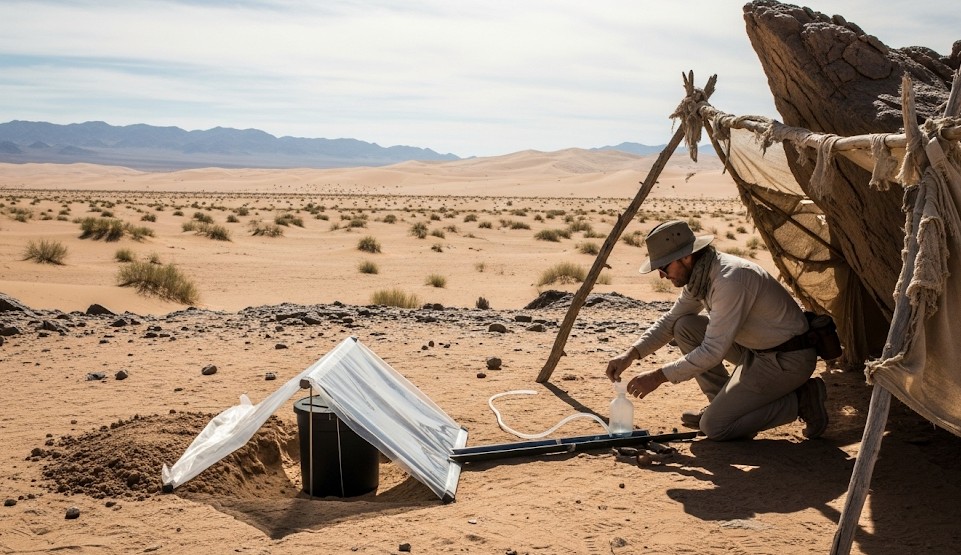
Why Desert Survival Is Different
Desert survival is less about dramatic movie-style water hunts and more about controlling heat exposure, conserving sweat, protecting judgment, and managing movement intelligently.
In arid environments, heat kills faster than hunger and often faster than dehydration itself. Many people make the mistake of pushing too hard during the hottest part of the day, burning through water reserves while their body temperature rises dangerously.
Successful desert travel is usually slow, disciplined, and heavily focused on shade management and pacing.
Objective
Prevent heat illness and dehydration by managing movement, shade, hydration, clothing, and navigation in extreme desert environments.
Understanding the Main Threats
Desert environments create multiple survival challenges simultaneously:
- Extreme daytime heat
- Rapid dehydration
- Sun exposure and burns
- Limited water availability
- Navigation difficulty
- Cold nighttime temperatures
- Fatigue and poor decision-making
Most survival problems begin when people underestimate how quickly these conditions compound together.
Water Is Priority Number One
In desert conditions, water planning is critical before movement even begins.
Depending on temperature, terrain, and exertion, a person may require:
- 0.5–1 liter per hour during moderate activity
- Much more during intense heat or steep terrain
Sweating heavily without replacing electrolytes can also become dangerous.
Drinking too much plain water without sodium replacement may contribute to hyponatremia, which can cause confusion, weakness, and severe medical problems.
Move Early and Late
One of the most effective desert survival strategies is simple:
Avoid movement during peak heat.
Ideal Travel Schedule
- Pre-dawn movement
- Morning travel
- Midday rest in shade
- Evening movement
The hottest hours between late morning and mid-afternoon dramatically increase water loss and fatigue.
Resting during solar peak often conserves more energy and water than trying to maintain constant progress.
Shade Is a Survival Tool
In deserts, shade becomes as important as water.
Even a small reduction in direct sun exposure can significantly reduce heat stress.
Natural Shade Sources
- Rock overhangs
- Canyon walls
- Sparse vegetation
- Terrain depressions
Never assume natural shade will be available where you need it.
Building a Shade Shelter
Lightweight tarps, ponchos, or reflective blankets can create lifesaving shade.
Simple Desert Shade Rig
- Pitch tarp low to block direct sun.
- Keep windward side lower.
- Create airflow underneath.
- Sit on insulation, not hot ground.
The ground itself can radiate extreme heat. A sleeping pad, folded tarp, or backpack underneath you reduces heat transfer.
Clothing Strategy
Many people wrongly assume less clothing is better in the desert.
Proper desert clothing actually covers most exposed skin while allowing airflow.
Recommended Clothing
- Loose-fitting long sleeves
- Light-colored fabrics
- Wide-brimmed hat
- Sunglasses with UV protection
- Neck covering or bandana
- Breathable pants
Exposed skin burns quickly and increases fluid loss dramatically.
Cooling Techniques
Small cooling tricks can preserve energy and improve survival odds.
- Wet cloth at neck or wrists
- Cooling head coverings
- Resting in airflow
- Reducing unnecessary movement
- Keeping core temperature lower through shade
Do not waste water by soaking clothing entirely unless you have a reliable water supply.
Navigation in Desert Terrain
Desert landscapes can become disorienting because many features appear repetitive or distorted by heat shimmer.
Good Navigation Practices
- Use distant landmarks carefully.
- Track bearings consistently.
- Avoid wandering off route.
- Use ridgelines when possible.
- Mark checkpoints mentally or physically.
Avoid deep canyon systems during peak heat whenever possible because they can trap heat and slow movement.
Recognizing Heat Illness
Heat injuries progress fast and become deadly if ignored.
Heat Exhaustion Signs
- Heavy sweating
- Dizziness
- Weakness
- Nausea
- Headache
- Muscle cramps
Heat Stroke Warning Signs
- Confusion
- Loss of coordination
- Altered behavior
- Collapse
- Hot skin
- Loss of sweating in some cases
Heat stroke is a medical emergency.
What To Do During Heat Illness
- Stop movement immediately.
- Get into shade.
- Cool the body aggressively.
- Hydrate slowly if conscious.
- Reduce physical exertion.
- Reassess the route and timing.
Continuing movement while confused or overheated is one of the most common fatal mistakes in desert environments.
Scenario Example
A two-person hiking team crossing exposed desert terrain carried six liters of water each and traveled before sunrise. During midday heat, they stopped under a reflective tarp shelter for ninety minutes instead of pushing forward. By reducing movement during peak temperatures, they conserved significant water and maintained clearer judgment for navigation later in the day.
Nighttime Desert Conditions
Many deserts become surprisingly cold after sunset.
Prepare for temperature swings with:
- Light insulation layers
- Wind protection
- Ground insulation
- Dry clothing storage
Heat management works both ways in desert survival.
Common Mistakes
- Traveling hard during midday heat
- Waiting too long to rest
- Ignoring early dehydration symptoms
- Underestimating water needs
- Wearing insufficient sun protection
- Overexerting to “make good time”
- Failing to create shade
Desert Survival Checklist
- Water containers with measurement marks
- Electrolyte replacement
- Reflective tarp or poncho
- Wide-brimmed hat
- Sunglasses
- High-SPF sunscreen
- Lightweight long-sleeve clothing
- Compass and map
- Emergency signaling gear
- Ground insulation pad
Contingencies
- No shade available → improvise with poncho and trekking poles.
- Low water → reduce movement immediately and prioritize cooling.
- Cramping or confusion → stop, cool down, and reassess.
- Navigation uncertainty → pause instead of wandering.
After-Action
Record actual water use, temperature conditions, travel pace, and rest timing after every desert trip.
Most people discover they either carried too little water or moved too aggressively during heat exposure.
Desert survival rewards patience, pacing, and discipline far more than speed.
← Previous | All Articles | Next →