
Food Preservation Without Power
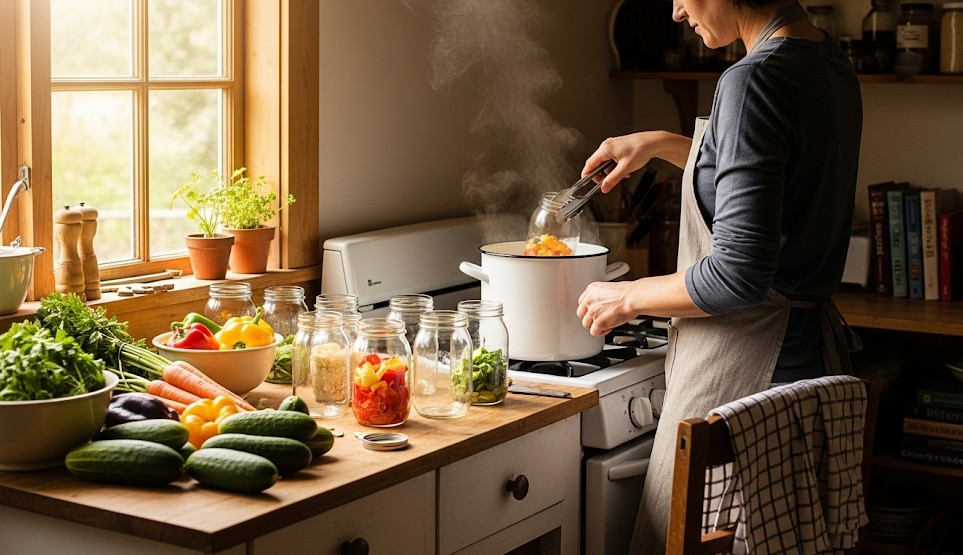
Why Food Preservation Matters During Emergencies
Modern households rely heavily on refrigeration and freezers. During a blackout, storm, wildfire evacuation, hurricane, or long-term grid failure, food spoilage becomes a serious problem surprisingly fast.
Most refrigerators only keep food safely cold for about four hours if unopened. Freezers can last longer, but eventually temperatures rise and valuable food begins to spoil.
Learning how to preserve food without electricity can reduce waste, extend emergency food supplies, and help households stay fed during prolonged outages.
Food preservation is not just an old-world skill. It remains a practical preparedness tool for modern emergencies.
Objective
Extend food life safely during power outages and emergencies using proven preservation methods including cooling, dehydration, pickling, salting, fermentation, and low-tech storage solutions.
First Rule: Protect Cold Food Early
The easiest food to preserve is food that never warms up in the first place.
- Keep refrigerator and freezer doors closed as much as possible.
- Group cold items together to help them retain temperature.
- Move priority foods into coolers early instead of waiting.
- Freeze water containers ahead of storms to create extra ice blocks.
Every unnecessary refrigerator opening speeds up spoilage.
Short-Term Preservation Methods
Coolers and Ice
A quality cooler can preserve food for days if managed properly.
- Store raw meat below cooked food.
- Open the cooler only when necessary.
- Drain water carefully while retaining ice.
- Use block ice when possible because it melts slower.
Keep a thermometer inside if available. Food safety matters more than squeezing out one extra meal.
Evaporative Cooling
In dry climates, evaporation cooling works surprisingly well.
One traditional method is the “pot-in-pot” cooler:
- Place a smaller clay pot inside a larger clay pot.
- Fill the gap with wet sand.
- Cover with a damp cloth.
- Keep the setup shaded and ventilated.
Evaporation removes heat and helps cool vegetables, fruit, and drinks without electricity.
Dehydration
Removing moisture is one of the oldest preservation methods in human history.
Bacteria and mold need moisture to thrive. Dry food lasts far longer.
Foods That Dehydrate Well
- Apples
- Bananas
- Berries
- Tomatoes
- Herbs
- Mushrooms
- Jerky meats
Dehydration Methods
- Electric dehydrator (before power loss)
- Solar dehydrator
- Drying racks with airflow
- Low-temperature oven
Once food is dry, store it in airtight containers away from heat, moisture, and sunlight.
Salt and Sugar Curing
Salt and sugar pull moisture from food and create environments hostile to bacterial growth.
Salt curing has preserved fish and meat for centuries. Sugar is commonly used for jams and fruit preservation.
Important Notes
- Use tested recipes.
- Do not guess salt ratios.
- Use curing salt only where recipes require it.
- Store cured food properly afterward.
Improper curing can create dangerous food safety problems.
Pickling and Fermentation
Pickling and fermentation preserve food through acidity, salt, and beneficial bacteria.
Common Pickled Foods
- Cucumbers
- Onions
- Peppers
- Beans
- Eggs
Fermented Foods
- Sauerkraut
- Kimchi
- Fermented pickles
Fermentation can extend shelf life while also improving flavor and nutrition.
Root Cellaring and Cool Storage
Before refrigeration, people stored food underground or in naturally cool spaces.
Root cellars work because underground temperatures stay relatively stable.
Foods Suitable for Cool Storage
- Potatoes
- Carrots
- Turnips
- Beets
- Onions
- Winter squash
- Apples
Even a cool basement corner can help extend storage life compared to room temperature.
Emergency Cooling Pits
In survival situations, a shallow underground pit can help cool food.
- Dig in shaded ground.
- Line with dry material.
- Protect food from moisture and animals.
- Cover loosely for airflow.
Cooling pits are not refrigeration, but they can slow spoilage.
Food Safety Rules
Never gamble with spoiled food during emergencies.
- If food smells bad, discard it.
- If canned food bulges, leaks, or sprays, throw it away.
- When in doubt, throw it out.
- Botulism is odorless and deadly.
Hunger is dangerous, but food poisoning during a disaster can be catastrophic.
Best Foods To Stock Before Outages
- Rice
- Pasta
- Beans
- Canned meat
- Nut butters
- Oats
- Shelf-stable milk
- Freeze-dried foods
- Jerky
- Honey
Shelf-stable foods reduce the preservation problem entirely.
Real Example
During a five-day regional outage, neighbors preserved garden vegetables using dehydration racks and vinegar pickling while rotating cooler ice between households. Meat was cooked early, dehydrated into jerky strips, and shared across families before spoilage became a problem.
The households that already understood preservation basics wasted far less food than those relying entirely on refrigerators.
Food Preservation Checklist
- Coolers and ice packs
- Thermometer
- Non-iodized salt
- Vinegar
- Glass jars and lids
- Drying racks
- Airtight storage containers
- Food-safe buckets
- Labels and marker
- Printed tested recipes
10-Minute Preparedness Drill
- Open your refrigerator and freezer.
- Identify the foods that would spoil first.
- Plan what would be eaten immediately.
- Identify what could be preserved.
- Check whether you already own salt, vinegar, jars, and drying equipment.
Most households discover they are more dependent on refrigeration than they realized.
Final Thoughts
Food preservation without electricity is one of the most practical preparedness skills you can learn. It reduces waste, extends supplies, and helps families stay fed during emergencies ranging from storms to long-term outages.
Start simple. Learn cooler management, dehydration basics, and safe pickling methods first. Build practical skills before you need them.
A little preparation now can save hundreds of dollars in food and make a stressful emergency far more manageable.
← Previous | All Articles | Next →