How to Survive a Zombie Apocalypse
Objective
Let’s be honest: the zombies probably are not coming. But the skills people imagine needing during a fictional zombie outbreak are very real: water storage, food planning, quiet movement, emergency communication, home security, sanitation, first aid, decision-making under stress, and team coordination.
This article uses a tongue-in-cheek zombie scenario as a preparedness drill. Think of it as a fun way to test whether your household could handle a serious disruption without panic. If your plan works when the fictional undead are wandering the streets, it will probably work even better during a blackout, storm, flood, transportation shutdown, or supply disruption.
For the serious version of this same planning mindset, start with Surviving a Blackout: Home Checklist and Mindset & Decision-Making Under Stress.
Scenario (Example)
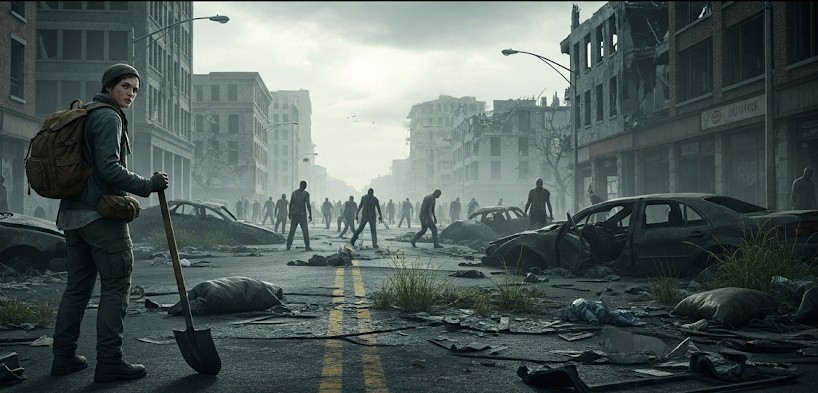
Example: Local news reports “aggression clusters.” Within 24 hours, hospitals are overloaded, power is spotty, stores are chaotic, and emergency channels advise people to shelter in place. Your group has four people, two go-bags, a vehicle at half a tank, limited food, weak cell service, and one decent exit route.
The zombie part is fictional. The disruption pattern is not. Real emergencies often involve overloaded hospitals, conflicting information, panic buying, road congestion, communication failures, and people making poor decisions because they waited too long.
Rule One: Do Not Become Part of the Crowd
In most disaster scenarios, crowds become risky before the actual hazard reaches you. Stores, gas stations, hospitals, and major roads can become choke points. Your best move is usually to act early, stay calm, and avoid unnecessary exposure.
- Do not run to stores after everyone else has the same idea.
- Do not drive toward chaos to “see what is happening.”
- Do not rely on rumors from social media alone.
- Do not split the group without clear rally points.
- Do not burn fuel, battery, or energy without a purpose.
If you need to move through a disrupted city, review Navigating a City Without GPS and Staying Safe in Civil Unrest.
Threat Model: Pick Your Flavor
- Slow shamblers: Predictable, numerous, and mostly a test of patience. Noise discipline, barriers, and supplies matter most.
- Fast biters: Fewer but more dangerous. Distance, early movement, and clear escape routes matter most.
- Panicked humans: The real boss level. Desperation, misinformation, and poor decisions are often more dangerous than the imaginary monsters.
The practical takeaway is simple: avoid unnecessary contact, reduce attention, keep exits clear, and make decisions before conditions force your hand.
72-Hour Plan
- Hour 0–6: Secure and sense-make. Lock doors, cover windows, reduce light, gather everyone, inventory water, food, medical supplies, tools, batteries, and communication options.
- Hour 6–24: Decide stay or go. Check official alerts, road conditions, weather, fuel level, group health, and safety outside. Do not relocate unless the destination is clearly safer than staying.
- Hour 24–72: Stabilize routines. Create watch/check-in times, ration food and water, maintain sanitation, charge devices carefully, and update plans every few hours.
For a real no-fridge food plan, see Food Without a Fridge: 72-Hour Menu.
Water Comes Before Heroics
Zombie movies love dramatic supply runs. Real preparedness starts with water. If tap water becomes unreliable, your first priority is stored water, collection, and treatment.
- Store at least several days of drinking water for each person.
- Fill clean containers early if a disruption is expected.
- Separate drinking water from utility water.
- Treat questionable water before drinking.
- Use handwashing stations to reduce illness.
Useful related guides include Home Water Storage and Rotation and Rain Catchment & Water Discipline.
Movement: Quiet, Boring, and Planned
If relocation becomes necessary, the goal is not to look like an action hero. The goal is to move quietly, avoid attention, and arrive safely.
- Noise: Secure loose straps, tools, keys, and bottles so nothing rattles.
- Light: Use low light only when needed. Avoid shining lights through windows or across streets.
- Spacing: Keep visual contact without clustering tightly.
- Routes: Avoid bridges, tunnels, narrow alleys, large crowds, and obvious choke points.
- Timing: Move during calm windows, not peak panic.
Safe Havens
A good safe haven is not just “a place with a locked door.” It needs water, sanitation, communication options, limited entry points, and a way to leave if conditions change.
- Choose interior rooms away from glass when sheltering.
- Keep exits clear and known to everyone.
- Set up a sanitation plan before things get gross.
- Keep food and water organized by day.
- Create a quiet sleeping routine to prevent exhaustion.
For realistic temporary security planning, see How to Barricade a Door in a Pinch and Power Outage Security Measures.
Comms & Signals
Communication failures create panic fast. A zombie drill is a perfect excuse to test whether your family or team can stay coordinated without constant phone access.
- Use short text updates instead of long calls.
- Set two daily check-in windows.
- Choose rally points A and B.
- Keep a written contact sheet in every bag.
- Use radios only after practicing channels and range.
Build the real version with Comms Plan: Family & Team Preparedness.
Medical, Hygiene, and Exposure
In real disruptions, infection, dehydration, untreated injuries, and poor sanitation are much more likely than zombie bites. Treat small problems early before they become serious.
- Wash hands before food prep and wound care.
- Keep a stocked first aid kit accessible.
- Control bleeding with pressure, packing, or a tourniquet when appropriate.
- Keep wounds clean and covered.
- Separate sick or injured people when needed without isolating them emotionally.
For the serious medical side, review Home Medical Kit: Beyond Band-Aids and Bleeding Control: Tourniquets, Packing, Pressure.
Loadout: Practical, Not Cinematic
- People: sturdy shoes, gloves, eye protection, weather layers, medications.
- Tools: multi-tool, tape, cordage, flashlight, radio, marker, notebook.
- Consumables: water, high-calorie food, electrolytes, batteries, sanitation supplies.
- Admin: IDs, cash, insurance copies, maps, contact sheet, keys.
The best gear is boring, tested, and reachable. If it still has tags on it and nobody knows how to use it, it is decoration.
Morale Matters
People make worse decisions when tired, hungry, scared, or bored. A good plan includes sleep, small routines, and morale boosters.
- Rotate responsibilities so one person does not carry the whole situation.
- Keep children and anxious adults occupied with simple tasks.
- Use short briefings instead of constant doom updates.
- Keep one comfort item per person if space allows.
- Protect sleep whenever possible.
For longer disruptions, see Grid-Down Morale: Routines, Rhythm, Resilience.
Common Mistakes
- Waiting until panic starts before gathering supplies.
- Leaving without a clear destination.
- Putting all food, water, and tools in one location.
- Forgetting sanitation until it becomes urgent.
- Letting one person make every decision under stress.
- Ignoring boring risks like dehydration, infection, and exhaustion.
Checklist
- Water stored and labeled
- Three-day food plan
- First aid and medications
- Flashlights, batteries, and power banks
- Communication plan and rally points
- Printed maps and contact sheet
- Sanitation supplies
- Bug-out bags staged
Contingencies
- Power fails: Switch to blackout plan and preserve batteries.
- Water stops: Use stored water first, then treated backup sources.
- Roads clog: Shelter in place unless staying becomes more dangerous.
- Group separated: Use rally points and check-in windows.
- Someone panics: Stabilize, assign a simple task, and reduce sensory overload.
Final Thoughts
The zombie apocalypse is fiction, but the preparedness lessons are real. Water, food, sanitation, communication, security, first aid, and calm decision-making matter in almost every serious disruption.
Use the zombie scenario as a fun household drill. Ask what would fail first, what supplies are missing, which routes are weak, and whether everyone knows the plan. Then fix those gaps before a real emergency shows up without the decency to wear movie makeup.
After-Action
Run a one-hour zombie drill with your household. No power, no internet, no store runs. Inventory water, food, lighting, comms, medical, and exits. Write down the first five things that fail. Zombies may not learn, but prepared people absolutely do.
← Previous | All Articles | Next →