
Freeze, Thaw, and Ice: Moving on Snow Safely
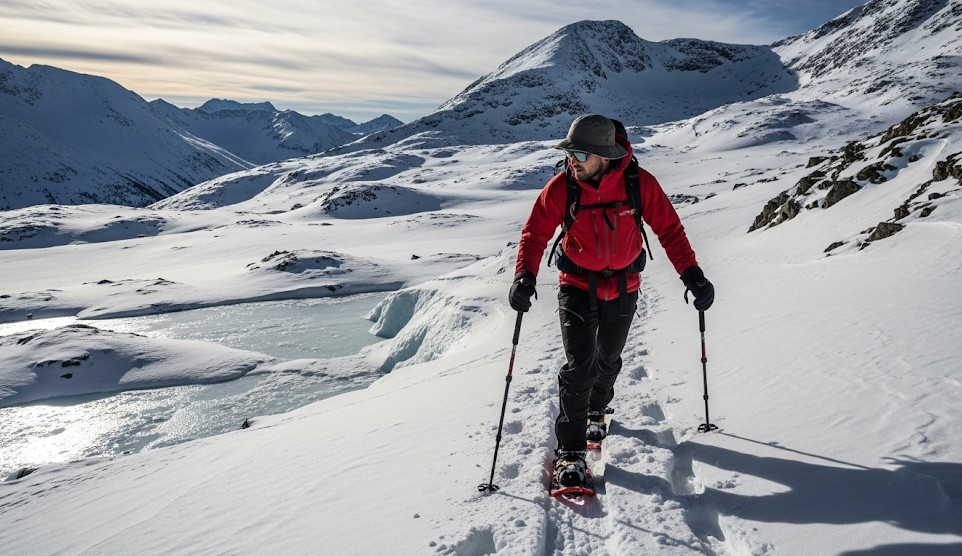
Why Winter Movement Is Dangerous
Snow and ice change constantly. A route that feels safe in the morning can become wet, unstable, icy, or exhausting by afternoon. Freeze-thaw cycles create hidden hazards that injure hikers, drivers, workers, and unprepared travelers every winter.
Most cold-weather injuries are not dramatic avalanches or blizzards. They come from slips, exhaustion, soaked clothing, bad footing, and poor decisions made while tired or cold.
Safe winter movement depends on pacing, traction, route choices, moisture control, and knowing when conditions are becoming unsafe.
Objective
Travel safely on snow and ice by choosing proper traction, controlling moisture, adjusting movement techniques, and planning conservative winter routes.
Understand Snow Conditions
Snow changes dramatically based on temperature, wind, sunlight, elevation, and time of day.
Powder Snow
Fresh powder is often easier to walk through than icy crust, but deep powder becomes exhausting quickly.
- Snowshoes or skis help distribute weight.
- Deep powder burns calories rapidly.
- Trail breaking rotates between group members.
- Hidden holes and obstacles may exist underneath.
Crust Snow
Freeze-thaw cycles often create crust layers that partially support weight before collapsing.
This causes post-holing, where legs punch through unexpectedly.
- Very tiring over distance.
- Can twist knees and ankles.
- Best crossed early morning or late evening when firmer.
Wet Snow and Slush
Wet snow increases soaking risk and rapidly destroys insulation performance.
- Waterproof gaiters help.
- Ventilation becomes critical.
- Extra socks matter more than extra layers.
Refrozen Ice
Melted snow often refreezes into dangerous hard ice, especially:
- Shaded trails
- Bridges
- Parking lots
- North-facing slopes
- Creek crossings
Refrozen surfaces cause many winter falls because they appear stable from a distance.
Traction Options
Microspikes
Excellent for icy sidewalks, packed trails, and frozen slopes with moderate angles.
- Lightweight and fast to deploy.
- Great for urban and trail use.
- Less aggressive than mountaineering crampons.
Crampons
Designed for steeper or harder ice conditions.
- Require practice to use safely.
- Can snag clothing if footwork is sloppy.
- Overkill for normal sidewalks or flat terrain.
Snowshoes
Best for deep snow where flotation matters more than grip.
- Reduce sinking.
- Save energy in powder.
- Often include traction underneath.
Trekking Poles
Poles dramatically improve balance on slippery terrain.
- Use winter baskets in snow.
- Shorten poles slightly for icy descents.
- Plant poles before shifting weight.
Movement Techniques on Ice
Winter movement is about balance and controlled weight transfer.
- Shorten your stride.
- Keep your center of gravity over your feet.
- Take deliberate steps.
- Test uncertain surfaces before committing weight.
- Use poles for stability on descents.
Fast movement causes most slips.
Layering While Moving
Staying dry matters more than staying hot.
Sweat becomes dangerous when movement slows or temperatures drop.
Recommended System
- Moisture-wicking base layer
- Insulating mid layer
- Windproof or waterproof shell
- Hat and gloves with backups
Vent early before overheating starts.
Opening layers while slightly cool prevents sweat buildup later.
Protect Your Feet
Wet feet are one of the fastest ways to lose morale and mobility.
- Carry spare socks in waterproof storage.
- Use gaiters in deep snow.
- Dry boots overnight if possible.
- Use vapor barrier liners if conditions are extremely wet or cold.
Frostbite and trench-foot problems often begin with poor moisture management.
Route Planning in Winter
Winter routes should always be more conservative than summer routes.
Factors that slow movement include:
- Short daylight hours
- Deep snow
- Icy terrain
- Cold-related fatigue
- Heavy winter gear
Always identify:
- Turnaround times
- Shelter options
- Water sources
- Escape routes
- Avoidance terrain
Avalanche Awareness
Avalanche terrain requires specialized training and equipment.
If you are not avalanche trained:
- Avoid steep snow slopes.
- Stay away from loaded bowls and gullies.
- Be cautious after heavy snowfall or warming trends.
- Watch for cracking or collapsing snow.
Good judgment avoids most avalanche accidents.
Real Example
A hiking group approaching a shaded mountain pass encountered refrozen meltwater across the trail. Instead of continuing in regular boots, they stopped and switched to microspikes before entering the icy section.
Their pace slowed slightly, but slips stopped completely and the group maintained safe movement across the pass. Another group without traction turned around after repeated falls and soaked gloves.
Common Winter Travel Mistakes
- Overdressing and sweating heavily.
- Moving too quickly on ice.
- Ignoring changing snow conditions.
- Starting late and running out of daylight.
- Not carrying traction devices.
- Wearing cotton socks or clothing.
- Failing to protect spare clothing from moisture.
Winter Movement Checklist
- Microspikes or crampons
- Trekking poles
- Spare socks
- Waterproof gloves
- Gaiters
- Warm hat
- Emergency bivy or shelter
- Headlamp with extra batteries
- Thermos or insulated water bottle
10-Minute Drill
Practice walking across icy terrain using shortened steps and deliberate weight transfer. Test your traction devices before you actually need them in severe conditions.
Learn how your footwear behaves on:
- Packed snow
- Wet slush
- Refrozen ice
- Steep sidewalks
- Trail descents
Confidence comes from experience before the emergency.
Final Thoughts
Winter movement rewards patience, preparation, and humility. Snow and ice conditions can change hour by hour, and the safest travelers are usually the ones willing to slow down, adjust gear early, and avoid unnecessary risks.
Staying upright, dry, and warm is more important than moving fast. Small adjustments in traction, pacing, and layering can make the difference between a manageable winter outing and a dangerous survival situation.
← Previous | All Articles | Next →