
Food Storage 101: Shelf Life, Rotation, Calorie Math
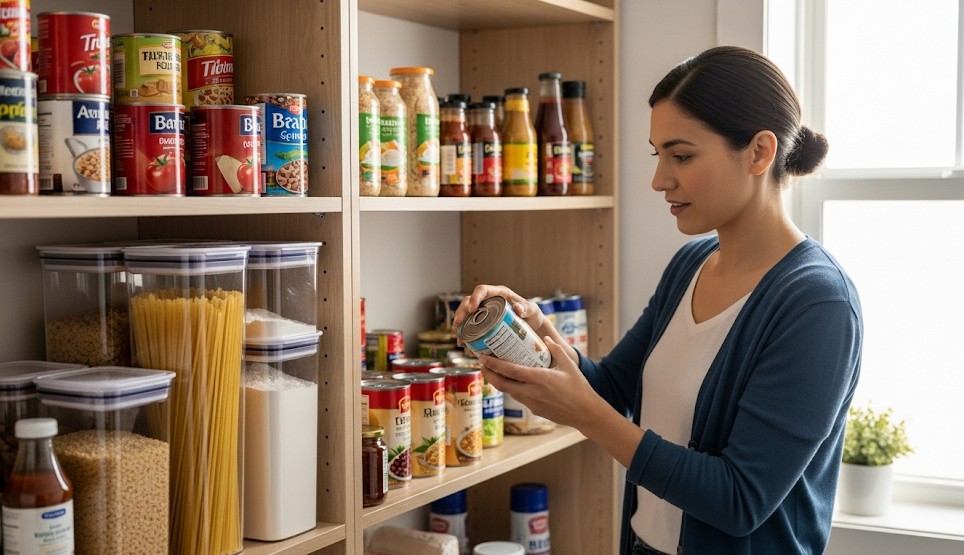
Why Food Storage Matters
Emergency food storage is not about panic buying or stacking random cans in a closet. A good food plan helps your household stay fed during blackouts, storms, job disruptions, supply interruptions, road closures, illness, evacuation delays, or temporary shortages.
The best emergency pantry is built around food your household already eats, knows how to prepare, and can rotate into normal meals. That keeps waste low and makes the system much easier to maintain.
Food storage works best when it is practical, organized, and based on real calories instead of guesswork.
Objective
Build a shelf-stable food supply that supports your household for days or weeks, uses realistic calorie targets, avoids waste, and can be rotated into everyday meals.
Start With Calorie Math
A pantry that looks full may still be short on calories. Crackers, soup, and vegetables are useful, but they may not provide enough energy during a stressful emergency.
A simple planning target is:
- Adults: about 2,000–2,400 calories per person per day
- Children: adjust based on age, size, and activity
- Hard work, cold weather, or cleanup: plan for more calories
For one adult, a 7-day supply at 2,000 calories per day equals 14,000 calories. For a family of four, seven days can easily require 56,000 calories or more.
Build in Layers: 3 Days, 2 Weeks, 30 Days
Do not try to build a huge pantry overnight. Build in stages.
- 3 days: short outage or storm delay
- 2 weeks: extended disruption or illness
- 30 days: stronger preparedness buffer
Start with a realistic 3-day supply, then expand gradually as budget and storage space allow.
Choose Foods You Will Actually Eat
Emergency food should not be a mystery menu nobody wants to touch. Store foods your household already understands.
- Rice
- Oats
- Pasta
- Beans and lentils
- Canned meats and fish
- Peanut butter
- Nut mixes
- Protein bars
- Soup and chili
- Powdered milk or shelf-stable milk
Familiar food reduces stress during emergencies, especially for children.
Balance Calories, Protein, Fat, and Morale
A good emergency pantry should include more than just bulk carbohydrates.
- Carbohydrates: rice, pasta, oats, crackers, instant potatoes
- Protein: beans, lentils, tuna, chicken, jerky, peanut butter
- Fats: oils, nut butters, nuts, seeds
- Flavor: salt, spices, broth, hot sauce, drink mixes
Fats are calorie-dense and important, but they often have shorter shelf lives than dry grains. Rotate them more carefully.
No-Cook and Low-Cook Foods
During a blackout, fuel may be limited. Include foods that do not require cooking.
- Meal bars
- Ready-to-eat canned meals
- Nut butters
- Tuna or chicken packets
- Crackers
- Dried fruit
- Trail mix
Low-cook foods reduce fuel use and simplify meal preparation when stress is high.
Shelf Life Basics
Shelf life depends on temperature, packaging, moisture, light, and fat content.
- Cooler storage generally extends shelf life.
- Heat shortens shelf life.
- Moisture ruins dry goods.
- Oxygen affects flavor and quality over time.
- High-fat foods can go rancid faster.
Store food in a cool, dry, dark place whenever possible.
Rotation: First In, First Out
The simplest pantry rotation method is FIFO: First In, First Out.
- Write purchase dates on packages.
- Put newer items behind older items.
- Use older food first.
- Replace what you use.
- Review the pantry monthly.
Rotation turns emergency food into a working pantry instead of a dusty pile of forgotten cans.
Simple 7-Day Emergency Menu
A practical food plan should turn into meals. Here is a simple example:
- Breakfast: oatmeal, powdered milk, dried fruit
- Lunch: peanut butter, crackers, tuna packet, electrolyte drink
- Dinner: rice and beans, canned chicken, broth, spices
- Snacks: trail mix, protein bar, nuts
Repeatable meals are not exciting, but they are reliable.
Water and Cooking Fuel
Food storage must match your water and fuel plan. Dry rice and beans are excellent storage foods, but they require water and cooking time.
Pair your food plan with: home water storage and a safe cooking method.
Common Food Storage Mistakes
- Buying random bulk food without meal plans.
- Ignoring calories.
- Storing foods the household dislikes.
- Forgetting can openers.
- Depending only on foods that require cooking.
- Failing to rotate oils, nuts, and high-fat foods.
- Storing food in hot garages without checking quality.
Real Example
A household builds a 30-day pantry by cooking two pantry-based dinners every week. Rice, beans, pasta, canned meat, and soups rotate through normal meals. Each month, they replace what was used and check expiration dates. The system stays fresh because it is part of normal life.
Food Storage Checklist
- Calorie target by household size
- 3-day starter pantry
- 2-week expansion goal
- FIFO rotation labels
- Manual can opener
- No-cook foods
- Cooking fuel plan
- Water storage plan
- Monthly pantry review
Final Thoughts
Food storage should make emergencies easier, not create clutter or waste. Start with foods you already eat, calculate real calories, and build your pantry in layers.
A good emergency food plan is not a pile of cans. It is a system: meals, calories, rotation, water, cooking fuel, and habits.
← Previous | All Articles | Next →