
Grid-Down Morale: Routines, Rhythm, Resilience
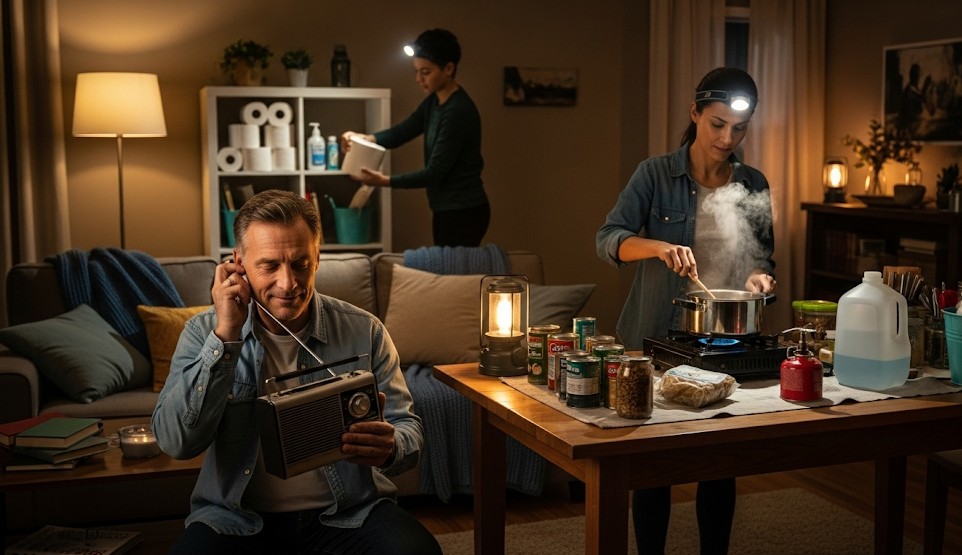
Why Morale Matters During Grid-Down Events
When the power is out, communication is limited, routines are disrupted, and normal comforts disappear, morale becomes more than a nice bonus. It becomes part of survival. People make better decisions when they are rested, informed, organized, and emotionally steady.
Extended outages create stress in predictable ways. Sleep schedules fall apart. Small frustrations grow. Rumors spread. Children become restless. Adults get short-tempered. Chores pile up. Without structure, even well-supplied households can drift into confusion.
A grid-down morale plan helps people stay calm, useful, and connected while normal systems recover.
Objective
Maintain household stability during extended outages by using routines, clear roles, realistic goals, communication habits, and simple morale practices that preserve energy and reduce conflict.
Structure Reduces Stress
People handle uncertainty better when they know what happens next. A simple daily rhythm can reduce anxiety because everyone understands the plan for water, food, charging, cleaning, updates, and rest.
You do not need a military schedule. You need enough structure to prevent drift.
Create a Daily Battle Rhythm
A battle rhythm is simply a repeatable daily schedule. It gives the household predictable checkpoints.
- Morning: check radios, weather, neighbors, and supplies.
- Midday: prepare food, manage water, complete chores.
- Afternoon: charge devices, inspect security, rest if needed.
- Evening: cook, clean, reset gear, review next-day priorities.
- Night: reduce light, secure doors, maintain quiet routines.
Keep the schedule visible on paper or a whiteboard so people do not have to ask repeatedly.
Assign Household Roles
Roles reduce confusion and prevent one person from carrying the entire mental load.
Intel Lead
Monitors radio updates, official alerts, road conditions, weather, and local information. This person should separate facts from rumors.
Logistics Lead
Tracks water, food, fuel, batteries, medications, and other supplies.
Safety Lead
Checks lighting, locks, first aid supplies, trip hazards, generator safety, and carbon monoxide alarms.
Comfort Lead
Helps manage children, pets, rest periods, games, meals, and household morale.
Roles can rotate daily so nobody feels trapped or overloaded.
Use Micro-Wins
During stressful events, large problems can feel overwhelming. Micro-wins help people feel progress.
Examples include:
- Refill one water container.
- Organize one room.
- Cook one hot meal.
- Charge one radio.
- Check on one neighbor.
- Clean one bathroom area.
Small completed tasks restore control and confidence.
Protect Sleep
Fatigue destroys morale and decision-making. During extended outages, people often stay up late listening for updates, worrying, checking phones, or reacting to every noise.
Create a sleep plan:
- Set quiet hours.
- Dim lights in the evening.
- Rotate monitoring duties if needed.
- Use earplugs or white noise if safe.
- Keep sleeping areas warm or cool enough for rest.
A rested household handles problems better than an exhausted one.
Manage Information Intake
Too little information creates fear. Too much information creates panic.
Use scheduled update times instead of constant checking.
- Morning radio check
- Midday official update review
- Evening plan adjustment
Write down important updates and avoid repeating unverified rumors.
Keep Children Involved
Children feel stress when adults are tense and routines disappear. Giving them small useful jobs can reduce fear.
- Sort flashlights
- Help count water bottles
- Draw maps or signs
- Organize snacks
- Help care for pets
Keep explanations calm and age appropriate. Children do not need every alarming detail.
Prevent Conflict Before It Builds
Stress, heat, cold, hunger, boredom, and uncertainty make conflict more likely.
Use simple rules:
- Take breaks before arguments escalate.
- Do not make major decisions during anger.
- Rotate unpleasant chores.
- Keep meals and hydration regular.
- Use a short daily check-in to surface problems early.
Conflict control is preparedness. People who cannot cooperate waste energy.
Morale Supplies Worth Keeping
A few simple items can make long outages much easier.
- Deck of cards
- Books
- Board games
- Coloring supplies for children
- Notebook and pens
- Battery lantern
- Comfort foods
- Small treats reserved for stressful days
Comfort matters. Morale is not weakness; it is fuel for endurance.
Real Example
During a multi-day outage, two families sharing a duplex created a written daily schedule. One adult monitored information, another managed water and meals, and the children helped with small assigned tasks. Chores rotated each day, and the group held a short evening reset before lights out. The structure reduced arguments and helped everyone understand what “done for the day” looked like.
Common Morale Mistakes
- Letting routines disappear completely.
- Checking news constantly.
- Failing to assign roles.
- Ignoring sleep and hydration.
- Letting one person make every decision.
- Forgetting children and pets need routine too.
Grid-Down Morale Checklist
- Whiteboard or notebook
- Daily schedule
- Assigned roles
- Radio update times
- Games, books, and quiet activities
- Comfort food or morale snacks
- Sleep plan
- Evening reset routine
10-Minute Drill
Write a one-day outage schedule for your household. Assign roles for information, supplies, safety, and comfort. Then ask: would everyone understand this plan if the lights went out tonight?
Adjust the schedule until it is simple enough to follow under stress.
Final Thoughts
Supplies matter, but so does mindset. During a grid-down event, morale is built from routine, rest, clear tasks, honest communication, and small wins.
A calm household with structure will usually outperform a better-equipped household that is disorganized, exhausted, and constantly arguing. Build the rhythm before you need it.
← Previous | All Articles | Next →