Pandemic-Style Hygiene & Masks in Disasters
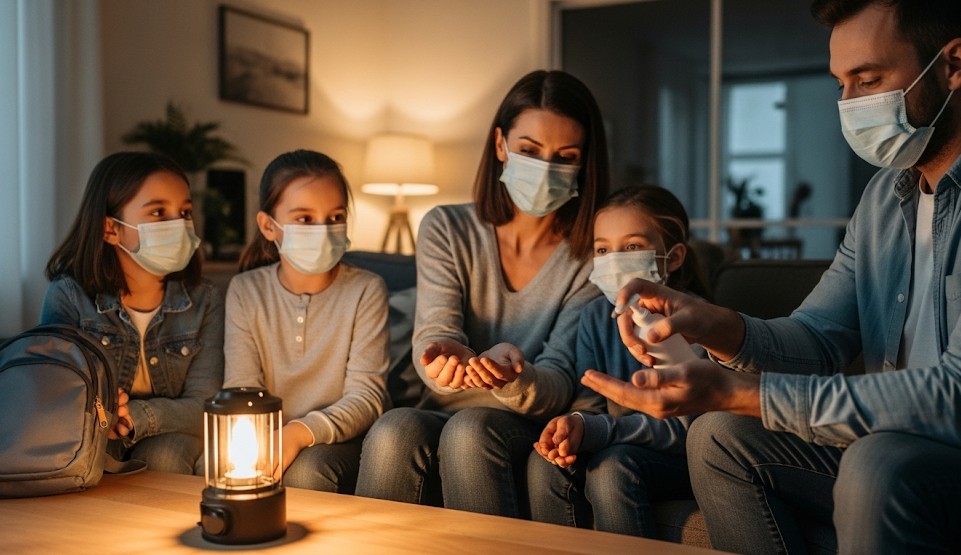
Why Hygiene Matters During Disasters
Disasters do not only create problems with food, water, power, and transportation. They also create ideal conditions for illness to spread. Crowded shelters, limited water, shared bathrooms, poor ventilation, stress, fatigue, and disrupted cleaning routines can all increase health risks.
Pandemic-style hygiene does not mean living in fear. It means using practical habits that reduce exposure when illness, smoke, dust, poor sanitation, or crowded conditions make infection control more important than usual.
A small hygiene kit and a few household routines can prevent a bad situation from getting worse.
Objective
Reduce illness risk during emergencies by using masks appropriately, improving hand hygiene, managing shared spaces, improving airflow, and creating simple cleaning routines your household can actually follow.
When Pandemic-Style Hygiene Helps
These habits are useful during more than pandemics.
- Evacuation shelters
- Wildfire smoke events
- Flood cleanup
- Dusty debris cleanup
- Power outages with limited sanitation
- Shared housing during displacement
- Respiratory illness outbreaks
The more crowded and less ventilated a space becomes, the more important these routines become.
Masks: Choosing the Right Level
Masks are tools. They work best when matched to the risk.
- N95 or similar respirators: best for higher-risk respiratory protection when properly fitted.
- KN95-style masks: useful when quality and fit are good.
- Surgical masks: better for source control and lower-risk situations.
- Cloth face coverings: limited protection, but better than nothing in some situations.
Fit matters. A high-quality mask with poor fit performs badly.
Basic Mask Fit Check
- Place the mask over nose and mouth.
- Shape the nose bridge firmly.
- Check for gaps at cheeks and chin.
- Breathe in and out to feel for air leaks.
- Adjust straps until the seal improves.
Facial hair, poor sizing, and loose straps reduce protection.
Hand Hygiene Without Normal Water Access
Handwashing is one of the simplest ways to reduce illness risk, but emergencies often disrupt normal sinks, plumbing, and hot water.
Prioritize hand cleaning:
- Before eating
- Before preparing food
- After using the bathroom
- After handling trash
- After caring for a sick person
- After touching shared surfaces
If water is limited, alcohol-based hand sanitizer is useful when hands are not visibly dirty. If hands are dirty, wipe first, then sanitize.
Cleaning High-Touch Surfaces
During emergencies, focus cleaning effort where it matters most.
- Door handles
- Faucet handles
- Toilet handles
- Light switches
- Phone screens
- Countertops
- Shared radios or tools
Use appropriate cleaners according to label directions. More chemical is not always better, and mixing cleaners can be dangerous.
Ventilation and Airflow
Better airflow can reduce respiratory risk in crowded indoor spaces.
- Open windows when outdoor conditions are safe.
- Use fans to move air away from crowded areas.
- Use HEPA filters if power is available.
- Avoid packing too many people into small closed rooms.
During wildfire smoke or chemical hazards, outdoor air may not be safe. In those cases, prioritize filtration and follow official guidance.
Set Up a Sick Area
If someone becomes ill during a disaster, separate them as much as practical.
- Use a separate room if available.
- Assign one caregiver if possible.
- Keep masks, tissues, trash bags, and sanitizer nearby.
- Clean shared bathrooms more often.
- Improve ventilation when safe.
The goal is not perfection. The goal is reducing repeated exposure.
Hygiene Kit Checklist
- N95 or KN95-style masks
- Soap
- Hand sanitizer
- Disinfectant wipes
- Paper towels
- Nitrile gloves
- Trash bags
- Tissues
- Thermometer
- Small spray bottle
Gloves: Useful but Easy to Misuse
Gloves can protect hands during cleanup, caregiving, trash handling, and contact with contaminated surfaces. They do not make your hands magically clean.
Avoid touching your face, phone, food, or clean supplies with dirty gloves. Remove gloves carefully and clean your hands afterward.
Common Hygiene Mistakes
- Wearing the same dirty mask for too long.
- Using gloves as a substitute for handwashing.
- Mixing cleaning chemicals.
- Ignoring ventilation.
- Sharing towels during illness.
- Failing to separate sick household members when possible.
Real Example
During a two-week shared shelter stay, one family kept a small hygiene pouch with masks, sanitizer, soap, tissues, and disinfectant wipes. They cleaned hands before meals, avoided sharing drink containers, improved airflow when possible, and kept a simple routine for masks in crowded areas. The system was not complicated, but it reduced stress and helped the family avoid common respiratory illness.
10-Minute Drill
Pull out your hygiene supplies and check whether you can quickly locate masks, soap, sanitizer, gloves, disinfectant wipes, trash bags, and a thermometer. Replace expired or damaged items and store everything in one labeled container.
Final Thoughts
Hygiene preparedness is not glamorous, but it is one of the most useful parts of disaster readiness. Illness spreads faster when people are crowded, stressed, tired, and short on clean water.
Build simple routines now: clean hands, safer air, reasonable masking, organized supplies, and careful handling of shared surfaces. Small habits can protect the household when normal systems are strained.
← Previous | All Articles | Next →