Finding Water in a City During Emergencies
Why Urban Water Planning Matters
In a city, water normally feels automatic. Turn the tap, fill a glass, flush a toilet, wash hands, cook food. During emergencies, that convenience can disappear quickly.
Broken mains, power failures, pump station problems, flooding, earthquakes, contamination notices, cyber incidents, and major storms can all disrupt safe drinking water. In dense urban areas, stores empty fast and bottled water becomes difficult to find.
The good news is that cities contain many potential water sources. The challenge is knowing which sources are safer, which are risky, how to collect water cleanly, and how to treat it before drinking.
Objective
Identify, collect, transport, store, and treat emergency water in an urban environment without creating new health hazards.
Start With Stored Water
The safest emergency water is the water you stored before the crisis.
A practical minimum is one gallon per person per day for drinking and basic needs. More is better when heat, pets, children, medical needs, or sanitation demands are involved.
For longer-term planning, review: Home Water Storage & Rotation.
Fill Early When Warning Exists
If you have advance warning of a storm, outage, freeze, or utility disruption, fill containers immediately.
- Bathtubs
- Pitchers
- Cooking pots
- Collapsible containers
- Clean buckets
- Water bottles
Bathtub water is best reserved for flushing, washing, and sanitation unless stored in a clean bathtub liner or treated carefully.
Ranked Urban Water Sources
1. Sealed Stored Water
Bottled water, properly stored jugs, and dedicated emergency containers are your safest options.
2. Water Heater Tank
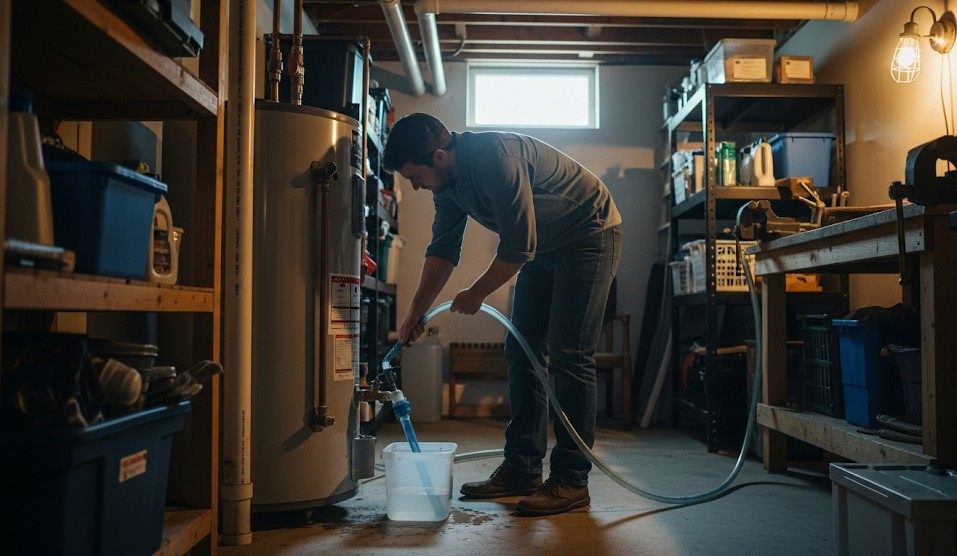
Many homes contain a large amount of water inside the hot water heater.
Before drawing water:
- Turn off power or gas to the heater.
- Allow water to cool if needed.
- Use the drain valve carefully.
- Treat before drinking if safety is uncertain.
3. Toilet Tank Water
Toilet tank water may be usable only if the tank is clean and contains no chemical tablets or cleaners.
Never use water from the bowl.
4. Ice and Meltwater
Freezer ice, commercial ice, and cooler ice can become valuable emergency water.
Melt in clean containers and treat if contamination is possible.
5. Rain Catchment
Rainwater can be collected from clean tarps, awnings, roofs, and gutters.
Roof runoff should be treated before drinking because it may contain bird droppings, dirt, roofing chemicals, or debris.
6. Public Distribution Points
During major emergencies, cities may establish water distribution sites.
Bring your own containers, cart, identification if needed, and patience.
Sources To Avoid
Not all urban water is worth the risk.
- Floodwater
- Water near industrial sites
- Puddles from streets or parking lots
- Decorative fountains
- Swimming pools treated with unknown chemicals
- Water stored in chemical containers
Urban water can contain fuel, sewage, pesticides, heavy metals, and industrial contaminants that normal filters may not remove.
Collection Rules
Clean collection prevents many problems.
- Use food-safe containers.
- Do not reuse chemical jugs.
- Keep raw and treated water separate.
- Label containers clearly.
- Disinfect caps and threads when possible.
Many people contaminate treated water by pouring it back into dirty containers.
Transporting Water in a City
Water is heavy. One gallon weighs over eight pounds.
Good transport options include:
- Collapsible 10–20 liter bags
- Backpacks
- Rolling carts
- Wagons
- Suitcases with wheels
- Bike trailers
Do not carry more than you can safely move up stairs or over broken sidewalks.
Water Treatment Basics
Emergency water often needs treatment before drinking.
Filter First
If water is cloudy, strain it through cloth first, then use a proper filter if available.
Boiling
Boiling is reliable for many biological threats, but it does not remove chemicals, fuel, salt, or heavy metals.
Chemical Treatment
Water purification tablets or properly used household bleach can disinfect biological contamination when used according to reliable guidance.
Filters
Backpacking filters can remove many bacteria and protozoa, but not all viruses or chemicals. Know the limits of your filter before relying on it.
Raw vs Treated Water System
Create a simple two-container system:
- RAW: collected but untreated water
- TREATED: filtered, boiled, or disinfected water
Use a marker and tape to label everything clearly.
Apartment Building Considerations
High-rise buildings often depend on pumps to move water to upper floors. When power fails, water pressure can disappear quickly.
Apartment residents should:
- Fill containers early.
- Store water before storms.
- Know where building utility rooms are.
- Coordinate with neighbors if carrying water upstairs.
- Use carts or stairwell teams when safe.
Real Example
During a multi-day apartment outage, residents filled bathtubs early, collected freezer ice, and drew water from a building utility source after flushing the line. They labeled raw and treated containers separately and used a rolling stairwell cart to move about 40 liters per trip.
Because they separated sanitation water from drinking water, they avoided wasting treated water on flushing and cleaning.
Common Mistakes
- Waiting too long to fill containers.
- Using unsafe containers.
- Confusing raw and treated water.
- Assuming clear water is safe.
- Drinking from floodwater sources.
- Forgetting how heavy water is to transport.
Urban Water Checklist
- Dedicated water containers
- Collapsible water bags
- Water filter
- Purification tablets
- Unscented bleach
- Marker and tape
- Rolling cart
- Clean funnel
- Metal pot for boiling
- Printed water treatment instructions
10-Minute Preparedness Drill
- Find every clean container you could fill tonight.
- Identify your water heater location.
- Check whether you own a water filter or treatment tablets.
- Label one container RAW and one TREATED.
- Estimate how much water your household needs for three days.
This drill quickly shows whether your water plan is realistic.
Final Thoughts
Urban water emergencies are manageable if you prepare before panic begins. Store water, know where additional safe sources may exist, treat questionable water properly, and keep raw and treated water separated.
In cities, water is usually available somewhere, but getting it safely takes planning, containers, transport, and good judgment.
Your goal is simple: collect early, treat carefully, label clearly, and never gamble with contaminated water.
← Previous | All Articles | Next →