
Surviving in Extreme Heat
Objective
Extreme heat can become deadly far faster than many people realize. High temperatures, humidity, direct sun exposure, and dehydration combine to reduce physical performance, cloud judgment, and eventually threaten survival. The goal is to move and rest safely when temperatures are high, humidity is punishing, and water is limited while avoiding heat exhaustion and heat stroke.
Heat injuries do not only happen in deserts. They occur during hikes, vehicle breakdowns, power outages, work details, sports, bug-out movements, and even short outdoor trips where people underestimate conditions. Once the body loses its ability to cool itself effectively, the situation can spiral quickly. Good heat survival is about pacing, planning, hydration, shade management, and knowing when to stop before your body makes the decision for you.
Scenario (Example)
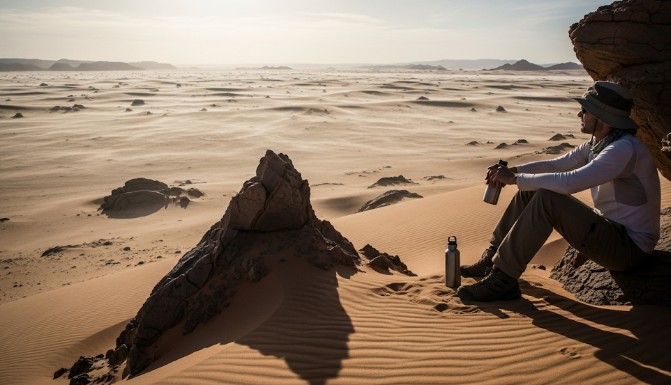
Example: You are hiking in 42°C desert heat with almost no wind. The route is 8 km total with roughly 300 m of elevation gain. You carry 3 liters of water, electrolytes, a lightweight tarp, trekking poles, a brimmed hat, and lightweight long sleeves for sun protection.
At first the conditions feel manageable, but direct sunlight reflecting off rock and sand steadily increases heat load. Sweat evaporates quickly, making it difficult to judge fluid loss. Without proper pacing and shade discipline, the risk of dehydration and heat illness rises fast. This type of environment punishes people who try to “push through it” during the hottest part of the day.
Why Extreme Heat Is Dangerous
Your body cools itself primarily through sweating and blood circulation near the skin surface. In extreme heat, especially with high humidity or direct sun exposure, the cooling system struggles to keep up. As dehydration develops, blood volume drops, heart rate rises, and the body becomes less efficient at shedding heat.
Decision-making also degrades in heat. People become impatient, careless, and overly confident. Small mistakes like rationing water too aggressively, hiking through peak afternoon heat, or ignoring dizziness can compound rapidly. Many heat emergencies begin with somebody trying to “finish the last few miles” instead of stopping early.
If you are planning longer wilderness movement, review proper pacing and supply planning in Multi-Day Trek Planning: Pace, Food, Fuel, Margin .
Hydration Math
Hydration needs vary depending on temperature, humidity, body size, exertion level, terrain, and clothing. A useful starting estimate is roughly 0.5–1.0 liters of water per hour during movement in hot conditions. Extremely hot or dry environments may require even more.
- Drink steadily rather than waiting until you feel extremely thirsty.
- Add electrolytes every 1–2 hours during sustained activity.
- Avoid consuming only plain water for long periods during heavy sweating.
- Monitor urine color when possible; dark urine often signals dehydration.
- Adjust pace to conserve water if resupply becomes uncertain.
Many people make the mistake of drinking huge amounts of plain water without replacing sodium and minerals lost through sweat. This can contribute to dangerous electrolyte imbalance. Salty snacks, electrolyte powders, or tablets can help maintain balance during long exposure.
Water discipline matters, but over-rationing is also dangerous. A dehydrated person becomes less capable of making good survival decisions. If water sources are uncertain, identify refill points before travel and carry treatment options when possible.
For additional water planning strategies, see Cooking Over an Open Fire: Campfire Techniques for efficient boiling and camp water management methods.
Pacing Strategy
One of the best ways to survive extreme heat is simply to slow down. Fast movement dramatically increases heat production inside the body. A slower pace may feel frustrating, but it can greatly extend endurance and reduce water loss.
- Move for about 25 minutes, then rest roughly 10 minutes in shade.
- Begin movement before sunrise whenever possible.
- Schedule the longest rest period around solar noon.
- Cover exposed skin using lightweight breathable clothing.
- Use wet bandanas or cloth at pulse points such as the neck and wrists.
In severe heat, survival often becomes a game of conserving energy and avoiding unnecessary heat buildup. Hiking aggressively during midday may save time on paper while dramatically increasing dehydration risk. In desert travel, experienced hikers frequently do their hardest movement early in the morning or late in the evening.
Shade Tactics
Shade is not just comfort; it is temperature control. Even a small shaded area can significantly reduce heat exposure and lower water consumption. Creating artificial shade may be critical if no natural cover exists.
- Rig a tarp low on the windward side to maximize shade and airflow.
- Use reflective material outward if available to reduce radiant heat.
- Rest off superheated ground using a pad, pack, or vegetation layer.
- Reduce exposed skin without trapping excessive heat.
- Share shade efficiently if traveling in a group.
Ground temperature in exposed desert terrain can become dramatically hotter than air temperature. Sitting directly on rock or sand can continue heating the body even while resting. Creating airflow underneath the body helps cooling considerably.
If your trip includes overnight shelter planning, also review Storm-Grade Shelter in High Winds for tarp placement and shelter positioning concepts that also apply in hot-weather camps.
Clothing and Sun Protection
Many people assume less clothing is always better in extreme heat, but direct sun exposure can rapidly increase dehydration and skin damage. Loose, light-colored, breathable long sleeves often work better than bare skin in desert conditions.
- Wear a brimmed hat or sun hood whenever possible.
- Protect the neck and ears from direct sunlight.
- Use UV-protective sunglasses to reduce eye strain and headaches.
- Avoid dark heavy fabrics that trap heat.
- Keep feet dry and monitor for swelling or hot spots.
Sunburn itself increases dehydration stress and makes temperature regulation more difficult. Even strong individuals can become ineffective quickly after prolonged sun exposure without protection.
Heat Illness Recognition
Recognizing heat illness early is critical. Heat exhaustion can often be reversed in the field if addressed immediately. Heat stroke is a true medical emergency and can become fatal without rapid cooling.
- Heat exhaustion: heavy sweating, weakness, cramps, dizziness, nausea, headache, rapid heartbeat, and fatigue. Stop activity immediately, move to shade, cool the body, and replace fluids and electrolytes.
- Heat stroke: confusion, altered behavior, collapse, very high body temperature, loss of coordination, or hot dry skin. This is a medical emergency requiring aggressive cooling and evacuation.
If someone becomes confused, stops sweating, or cannot think clearly, the situation is already severe. Immediate cooling takes priority. Shade the casualty, wet clothing if water allows, fan aggressively, and seek emergency help.
Common Errors
- Wearing dark heavy clothing with no hat or sun protection.
- Attempting long midday pushes “to get it done faster.”
- Ignoring electrolyte replacement during heavy sweating.
- Waiting too long to rest or cool down.
- Failing to monitor weaker or less experienced group members.
- Assuming fitness alone protects against heat illness.
Heat has humbled elite athletes, military personnel, experienced hikers, and labor crews alike. The environment does not care how motivated you are. Smart heat survival is based on discipline, not toughness.
Field Drill
Practice controlled heat exposure in a safe environment before relying on these skills in remote areas. Walk for approximately 60 minutes at an easy pace in warm conditions while carrying a measured amount of water. Weigh yourself before and after, track fluid intake, and note how your pace, clothing, and rest schedule affect sweat rate and comfort.
This simple exercise helps you estimate personal water needs and teaches you how quickly dehydration develops under load. It is far better to learn these lessons during training than during a real emergency.
Checklist
- Wide-brim hat or sun hood
- Lightweight long sleeves and breathable clothing
- Electrolytes or salty snacks
- Water containers and backup purification method
- Tarp or emergency shade material
- Sunscreen and UV eye protection
- Cooling cloth or bandana
- Map, route plan, and known refill locations
Contingencies
- Water running low: reduce pace immediately and prioritize shade.
- No natural shade: deploy tarp shelter or improvised cover.
- Group member overheating: stop movement early rather than pushing to destination.
- Vehicle breakdown: remain with the vehicle if safe and use it as shelter.
- Unexpected delay: shift movement to cooler evening or dawn periods.
After-Action
After the trip or training session, review how much water was consumed, how effective the pacing strategy felt, and whether shade systems worked efficiently. Note any signs of fatigue, overheating, or dehydration and adjust future plans accordingly.
Extreme heat punishes poor planning but rewards patience and discipline. The people who perform best in hot environments are usually not the fastest movers. They are the ones who manage exposure carefully, respect the conditions, and avoid turning a difficult day into a medical emergency.
← Previous | All Articles | Next →